
Smart home automation is changing how people live. It makes homes safer, easier, and more comfortable. One key part of smart homes is sensors. But what are sensors? And why are they important? This article explains what sensors do in smart home systems.
What is a Sensor?
A sensor is a small device that detects things. It can sense light, motion, temperature, or sound. Sensors send information to other devices. For example, a sensor can tell a smart thermostat if the room is warm or cold. This way, the system can adjust the heating or cooling automatically.
Why Do Smart Homes Need Sensors?
Smart homes use sensors to gather information. They help the home understand what is happening inside and outside. This information helps the home work by itself. Without sensors, smart devices would not know when to turn on or off. Sensors make homes more efficient and safe.
Types of Sensors Used in Smart Home Automation
There are many kinds of sensors in smart homes. Each type has a special job. Here are the most common sensors and their uses:
| Sensor Type | What It Detects | How It Helps in Smart Homes |
|---|---|---|
| Motion Sensor | Movement in a room or area | Turns lights on/off; alerts if there is unusual movement |
| Temperature Sensor | Room or outdoor temperature | Adjusts heating or cooling systems for comfort |
| Light Sensor | Brightness or daylight level | Controls lighting; saves energy by dimming or turning off lights |
| Humidity Sensor | Moisture level in the air | Maintains comfortable air; helps control mold and dampness |
| Smoke/Carbon Monoxide Sensor | Smoke or toxic gas presence | Alerts family to danger; triggers alarms or ventilation |
| Door/Window Sensor | Open or closed status | Security alerts; controls heating and cooling when doors open |
| Water Leak Sensor | Water leaks or flooding | Prevents water damage; alerts owners to leaks quickly |
| Sound Sensor | Noise levels | Detects unusual sounds like glass breaking or alarms |
How Do Sensors Work in Smart Homes?
Sensors collect data all the time. They send this data to a central hub or a smart device. The hub acts like the brain of the home. It decides what to do based on sensor data. For example, if a motion sensor detects movement, it might turn on the light. If a temperature sensor finds the room too cold, it tells the heater to start.
Sensors often connect using Wi-Fi or special wireless systems. This makes it easy to add more sensors or devices. Many sensors also use batteries, so they work even if the power goes out.
Benefits of Using Sensors in Smart Homes
Sensors bring many benefits to smart homes. Here are some important ones:
- Safety: Smoke and carbon monoxide sensors warn about danger.
- Energy Savings: Light and temperature sensors reduce wasted energy.
- Comfort: Sensors adjust heating, cooling, and lighting automatically.
- Security: Motion and door sensors alert about intruders.
- Convenience: Sensors make the home respond without manual control.
- Damage Prevention: Water leak sensors stop costly repairs.
Examples of Sensor Use in Daily Life
Let’s look at some examples. They show how sensors help every day.
1. Turning Lights On And Off
When you enter a room, motion sensors see you. They turn the lights on. When you leave, lights turn off. This saves electricity and makes life easier.
2. Keeping The Home Warm Or Cool
Temperature sensors check the room temperature. If it is too cold, heaters start. If it is too hot, fans or air conditioners turn on. You stay comfortable without touching anything.
3. Alerting About Smoke Or Gas
Smoke and carbon monoxide sensors detect danger early. They send alerts to your phone or sound alarms. This helps protect your family.
4. Security Alerts
Door and window sensors notify you if someone opens them. Motion sensors can spot movement when you are away. These sensors help keep your home safe.
5. Detecting Water Leaks
Water leak sensors can find leaks under sinks or near appliances. They send warnings before water causes damage. This saves money on repairs.

Credit: www.semanticscholar.org
How to Choose Sensors for Your Smart Home
Not all homes need the same sensors. Think about your needs first. Ask yourself:
- What do I want to control or monitor?
- Do I need more safety, energy savings, or comfort?
- Is my home already wired for smart devices?
- Do I want sensors that work without internet?
Start with basic sensors like motion and door sensors. Add more as needed. Make sure sensors work well with your smart home system.
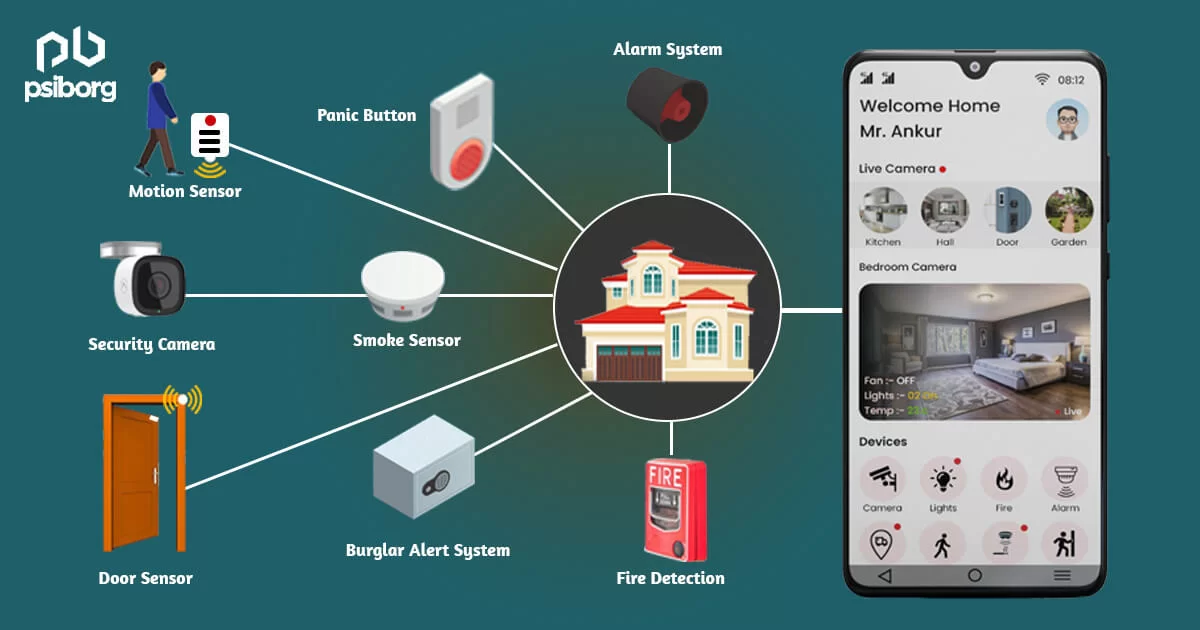
Credit: psiborg.in
Frequently Asked Questions
What Types Of Sensors Are Common In Smart Homes?
Smart homes often use motion, temperature, light, and humidity sensors. These help automate lighting, heating, and security systems efficiently.
How Do Motion Sensors Improve Home Security?
Motion sensors detect movement and trigger alarms or alerts. They help monitor your home and deter intruders effectively.
Can Sensors Control Home Lighting Automatically?
Yes, light and motion sensors adjust lighting based on presence and natural light. This saves energy and adds convenience.
What Role Do Temperature Sensors Play In Automation?
Temperature sensors monitor room heat and adjust HVAC systems. They maintain comfort while reducing energy waste.
Conclusion
Sensors are important parts of smart home automation. They help homes detect changes and respond automatically. Sensors improve safety, comfort, and energy use. They also protect your home from damage and intruders.
By using sensors, smart homes become more useful every day. They make life easier without extra work. If you want a smart home, start learning about sensors first. They are the eyes and ears of your smart house.