
Smart homes are becoming popular. Many people want their homes to be smart. But some think they need a central hub. A hub is a device that controls all smart devices. However, you can build a smart home without one. This guide will show you how.
What Is a Central Hub?
A central hub connects and controls smart devices. It acts like a brain. It helps devices talk to each other. Examples of hubs are Amazon Echo, Samsung SmartThings, or Google Nest Hub. But some smart devices do not need a hub.
Why Build a Smart Home Without a Hub?
- Save money: You don’t buy extra devices.
- Simple setup: Fewer devices mean less trouble.
- Flexibility: Use devices from different brands easily.
- Less risk: One device failing won’t stop all smart features.
Step 1: Choose Smart Devices That Work Alone
Look for smart devices that don’t need a hub. These devices connect directly to your Wi-Fi. Some common examples include:
- Smart bulbs
- Smart plugs
- Smart cameras
- Smart locks
- Smart thermostats
Many devices have their own apps. You control them with your phone or tablet. This way, you don’t need a hub to manage them.
Step 2: Use Wi-Fi Enabled Devices
Wi-Fi devices connect directly to your home internet. This means you can control them anywhere. Your phone talks to the device through your internet.
When buying devices, check if they say “Wi-Fi enabled.” These devices do not need a hub. They use your Wi-Fi to work.
Step 3: Use Voice Assistants Without a Hub
You can control smart devices with voice assistants. But you do not need a hub for this. For example, you can use Google Assistant or Amazon Alexa apps on your phone. These apps can control smart devices directly.
Some smart devices also work with voice commands without a hub. Just link the device with the voice app on your phone.
Step 4: Choose Devices That Use Bluetooth or Zigbee Directly
Some devices use Bluetooth or Zigbee to connect. Usually, these need a hub. But some new products allow direct connections.
Bluetooth devices connect directly to your phone. You do not need a hub. For example, smart locks or lights may use Bluetooth.
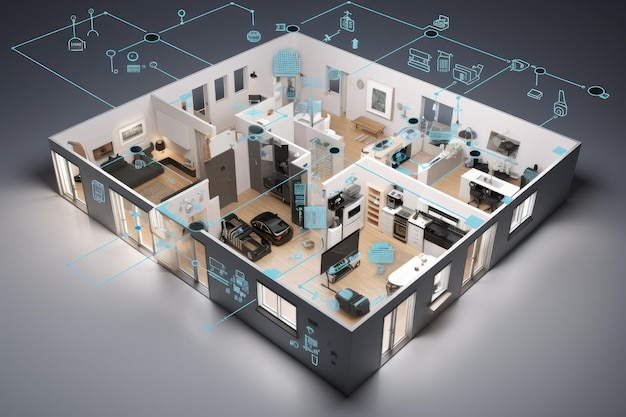
Zigbee is a special wireless technology. Normally it needs a hub. But some smart TVs and routers support Zigbee. They can work as a mini hub without buying extra devices.
Credit: www.freepik.com
Step 5: Use Apps to Control Different Devices
Each smart device usually has its own app. You will use many apps to control your home. It is good to keep apps organized.
Here are tips:
- Group devices by room in the apps.
- Give devices simple names, like “Living Room Light.”
- Check if apps allow creating scenes. Scenes control many devices with one tap.
Step 6: Link Devices With IFTTT
IFTTT means “If This Then That.” It is a free web service. IFTTT connects different apps and devices.
You can make simple rules. For example:
- If your smart camera sees motion, turn on the smart light.
- If it is 7 PM, turn on the smart plug.
IFTTT works without a hub. It helps devices talk to each other through the internet.
Step 7: Secure Your Smart Home
Security is very important. Many devices connect to the internet. You should keep your smart home safe.
- Use strong passwords for your Wi-Fi and devices.
- Update device software regularly.
- Turn off devices when not in use.
- Use a separate Wi-Fi network for smart devices if possible.
Step 8: Add Smart Devices Over Time
You don’t need to buy everything at once. Start with one or two devices. For example, add a smart bulb and a smart plug first.
Try controlling them with your phone. See how it works. Then add more devices later. This way, you learn step by step.
Benefits of a Hub-Free Smart Home
Here are some benefits you get when you skip the hub:
| Benefit | Explanation |
|---|---|
| Cost Saving | No need to buy an extra device (the hub). |
| Easy Setup | Devices connect directly to Wi-Fi or phone. |
| Less Device Dependency | If one device fails, others still work. |
| Brand Choice | You can mix devices from many brands. |
| Simple Control | Use the device app or voice assistant app on phone. |

Credit: www.dnake-global.com
Common Devices to Start Your Hub-Free Smart Home
Here is a list of devices to begin with:
- Smart Bulbs: Control light color and brightness.
- Smart Plugs: Turn devices on/off remotely.
- Smart Cameras: Monitor your home through phone.
- Smart Locks: Lock or unlock doors with phone.
- Smart Thermostats: Set home temperature remotely.
Tips to Make Your Smart Home Work Well
- Keep your Wi-Fi strong and stable.
- Place devices where Wi-Fi is good.
- Label your devices clearly in apps.
- Try simple automations with IFTTT.
- Test voice commands on your phone.
Frequently Asked Questions
What Devices Work Best Without A Central Hub?
Smart bulbs, plugs, and cameras with Wi-Fi or Bluetooth work well. These devices connect directly to your phone or router.
Can I Control Smart Devices With Voice Assistants Only?
Yes, voice assistants like Alexa or Google Home can control many devices. They don’t always need a hub to work.
How Do Smart Devices Communicate Without A Hub?
Devices use Wi-Fi or Bluetooth to connect directly to your network. This avoids the need for a central controller.
Is It Cheaper To Build A Smart Home Without A Hub?
Skipping a hub lowers initial costs, but some devices may be limited. Direct connections often save money upfront.
Conclusion
Building a smart home without a hub is possible. You just need the right devices. Choose Wi-Fi or Bluetooth smart devices. Use apps and voice assistants on your phone. Use IFTTT for simple automation. Keep your home safe with strong passwords. Start small and add devices over time. This way, your home becomes smart without extra hubs. Enjoy the convenience and control of your smart home today.