
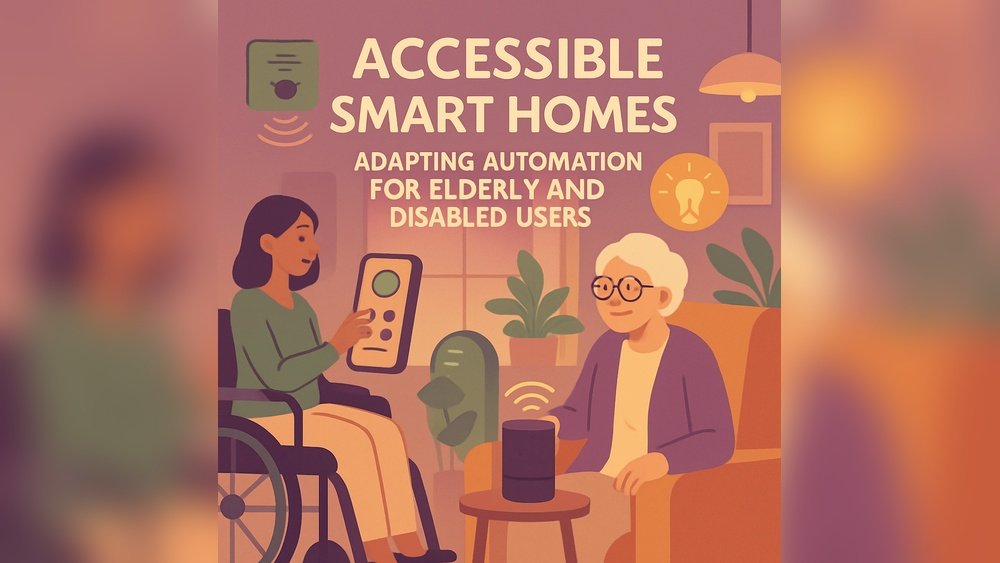
Living at home can be easier and safer with smart technology. Many smart home tools help elderly and disabled people. These tools make daily tasks simple. They also improve comfort and safety. In this article, you will find many smart home ideas. These ideas help you or your loved ones live better at home.
Why Smart Home Automation Helps
Smart home automation means using devices that work automatically. They help with lights, doors, heating, and more. For elderly and disabled users, these devices reduce effort. They also lower risks of falls or accidents. Simple controls help users who have difficulty moving or seeing. Smart homes can give more freedom and peace of mind.
Smart Lighting Solutions
Lights are very important for safety. Bright rooms help prevent falls. Smart lighting can turn on and off by itself. Some lights turn on when you enter a room. Others can be controlled by voice or phone.
- Motion Sensor Lights: These lights detect movement. They switch on when you walk in. No need to find a switch in the dark.
- Voice-Controlled Lights: Use voice commands to turn lights on or off. This is helpful if you cannot reach switches.
- Timed Lights: Lights can turn on or off at set times. This helps keep a regular routine.
Voice Assistants for Easy Control
Voice assistants like Alexa or Google Home help manage many tasks. You can ask them to play music, set reminders, or control devices. This is useful for people with limited hand movement.
- Ask to turn on lights or appliances.
- Set reminders for medicine or appointments.
- Make phone calls without holding a phone.
Smart Door Locks and Security
Smart locks allow easy access without keys. This reduces the risk of losing keys or struggling with them. Some locks open with a code or phone app. Others use voice commands.
- Keyless Entry: Enter your home without keys.
- Remote Access: Caregivers can unlock the door from far away.
- Video Doorbells: See and talk to visitors without opening the door.
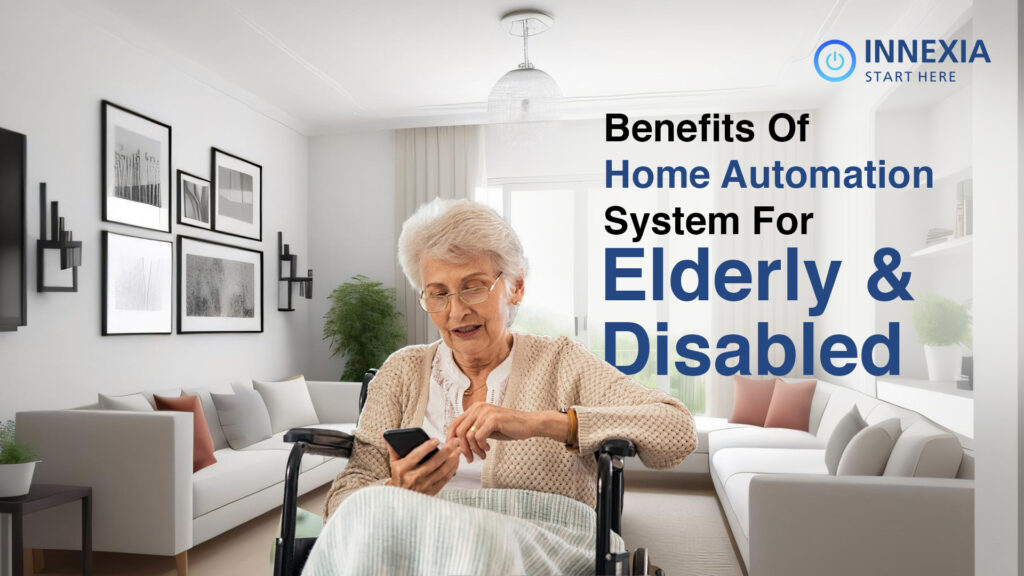
Credit: innexia.in
Smart Thermostats for Comfort
Keeping the home warm or cool is important. Smart thermostats adjust temperature automatically. They learn your schedule and needs.
- Set comfortable temperatures for different times of day.
- Control temperature from a phone or voice command.
- Save energy by not heating or cooling empty rooms.
Automated Window Shades and Curtains
Opening and closing curtains can be hard. Automated shades move with a button or voice command.
- Control natural light easily.
- Improve privacy without physical effort.
- Use timers to open shades in the morning.
Smart Sensors for Safety
Sensors can detect dangers in the home. They send alerts to the user or caregiver.
- Fall Detection Sensors: Alert if a fall happens.
- Smoke and Carbon Monoxide Detectors: Warn of fire or gas leaks.
- Water Leak Sensors: Detect leaks early to prevent damage.
Smart Medication Reminders
Taking medicine on time is critical. Smart pill dispensers and reminders help with this.
- Dispense the right medicine at the right time.
- Send alerts if a dose is missed.
- Caregivers can check medicine schedules remotely.
Smart Appliances for Daily Living
Smart kitchen and home appliances make chores easier.
- Smart Ovens: Can be controlled remotely for safety.
- Robot Vacuums: Clean floors without effort.
- Smart Washing Machines: Start and stop cycles by voice or phone.

Credit: www.vesternet.com
Emergency Alert Systems
Emergency buttons or systems provide quick help. Users can press a button to call for help.
- Wearable alert devices for quick access.
- Automatic alerts if a fall is detected.
- Direct contact with emergency services or family.
Smart Home Automation and Accessibility
Many smart devices are designed with accessibility in mind. They help users with different needs.
- Large buttons and clear displays.
- Voice commands for those with limited movement.
- Customizable settings for different abilities.
How to Start with Smart Home Automation
Begin with simple devices. Choose what helps most in daily life. Add more devices over time.
- Start with smart lighting or voice assistants.
- Ask family or caregivers for help with setup.
- Choose devices that are easy to use and reliable.
Benefits for Elderly and Disabled Users
Smart home automation brings many benefits:
| Benefit | How It Helps |
|---|---|
| Safety | Reduces accidents with sensors and alerts. |
| Comfort | Control home environment easily. |
| Independence | Manage tasks without help. |
| Peace of Mind | Caregivers can monitor remotely. |
| Energy Saving | Smart devices use energy only when needed. |
Final Thoughts
Smart home automation can make life better for elderly and disabled users. It helps with daily tasks and safety. Start small and add more devices as needed. Choose easy-to-use tools that fit your needs. With smart homes, people can live more comfortably and safely.
Frequently Asked Questions
What Are The Best Smart Home Devices For Elderly Users?
Smart lights, voice assistants, and smart locks are great for elderly users. These devices improve safety and ease daily tasks.
How Can Smart Home Automation Improve Safety For Disabled Users?
Automation can detect falls, alert caregivers, and control doors remotely. It helps users stay safe without extra effort.
Which Smart Home Systems Are Easiest For Seniors To Use?
Systems with voice control and simple apps work best for seniors. Look for products with clear instructions and support.
Can Smart Home Tech Help With Medication Reminders?
Yes, smart pill dispensers and voice reminders ensure timely medication. This reduces the risk of missed or wrong doses.