
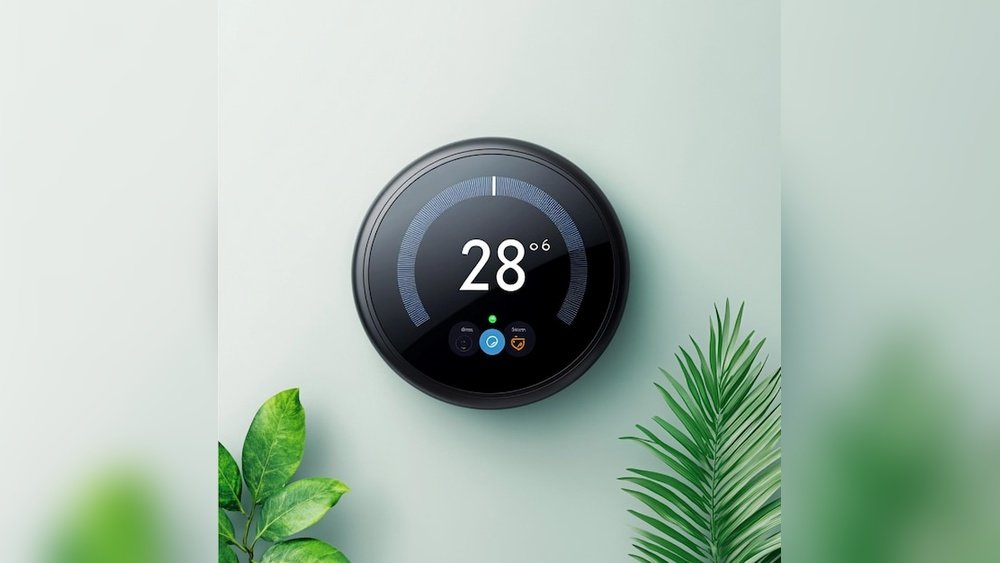
Smart thermostats are becoming popular in many homes. They help save energy and keep your home comfortable. But have you ever wondered how they know what temperature you like? How do they learn your temperature preferences? This article will explain how smart thermostats understand and adjust to your needs.
What Is a Smart Thermostat?
A smart thermostat is a device that controls the heating and cooling system in your home. Unlike regular thermostats, smart ones can connect to the internet. They can be controlled from your phone or computer. They also have sensors and software to learn from your behavior.
Because of these features, smart thermostats can adjust the temperature automatically. They make your home warm or cool when you want it. This saves energy and lowers your bills.
How Do Smart Thermostats Learn?
Smart thermostats learn your temperature preferences in a few ways. They use sensors, data, and algorithms. Let’s look at these steps:
- Collecting Data
- Finding Patterns
- Making Adjustments
- Continuous Learning
1. Collecting Data
First, the thermostat collects information. It watches the temperature settings you use. For example, it notes when you change the temperature.
It also tracks the time of day. Maybe you like it cooler at night and warmer in the morning. The thermostat remembers these changes.
Some smart thermostats have motion sensors. These detect if someone is in the room. If no one is home, the thermostat might lower the heat or air conditioning.
2. Finding Patterns
After gathering data, the thermostat looks for patterns. It sees when and how you change the temperature.
For example, if you turn the heat up every evening at 7 pm, it learns this habit. Over time, the thermostat understands your schedule.
It also learns your temperature preferences. Maybe you like 72 degrees during the day and 68 degrees at night. The thermostat remembers this and adjusts automatically.
3. Making Adjustments
Once the thermostat finds your patterns, it starts to make changes on its own. It adjusts the temperature before you ask.
If you usually lower the heat at bedtime, the thermostat can do this for you. If you come home at 6 pm, it can warm the house before you arrive.
This way, the thermostat saves energy. It does not heat or cool your home when you do not need it.
4. Continuous Learning
Smart thermostats keep learning all the time. If your schedule changes, the thermostat notices this.
For example, if you start coming home later, the thermostat will adjust. It will not warm the house too early.
The thermostat uses new data to improve its settings. It becomes better at knowing what you want.
Technology Behind Learning
Smart thermostats use special technology to learn. Here are some key parts:
| Technology | How It Helps |
|---|---|
| Sensors | Detect temperature and movement in the room |
| Machine Learning Algorithms | Analyze data and find user habits |
| Wi-Fi Connectivity | Connect to the internet for remote control and updates |
| Mobile Apps | Allow users to set and change preferences easily |
Sensors
Sensors are small devices inside the thermostat. They measure the current room temperature. Some sensors detect motion. This helps the thermostat know if someone is home.
Machine Learning Algorithms
Machine learning is a way computers learn from data. The thermostat uses algorithms to find your habits. It looks at when and how you change temperatures.
These algorithms help the thermostat predict what temperature you want next. It then adjusts without you needing to tell it.
Wi-fi Connectivity
Smart thermostats connect to Wi-Fi. This allows you to control them from anywhere. You can use your phone to change settings.
Wi-Fi also helps the thermostat update its software. Updates improve learning and add new features.
Mobile Apps
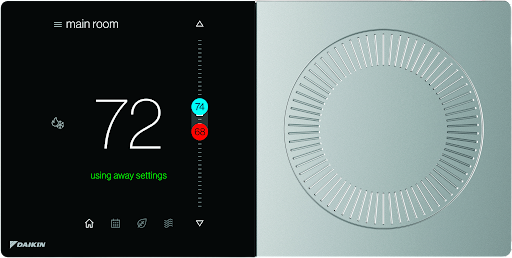
Most smart thermostats have mobile apps. The app lets you set schedules and change temperatures easily.
The app also shows energy use. This helps you save money by using less heat or air conditioning.
Credit: daikincomfort.com
Benefits of Smart Thermostats Learning Your Preferences
There are many good reasons to use a smart thermostat that learns your preferences:
- Saves Energy: It heats or cools only when needed.
- Increases Comfort: Your home is always at the right temperature.
- Reduces Costs: Less energy use means lower bills.
- Easy to Use: The thermostat adjusts automatically.
- Remote Control: Change settings from anywhere using your phone.

Credit: www.dreamstime.com
Common Questions About Learning Thermostats
Some people wonder if smart thermostats can make mistakes. They might adjust the temperature at the wrong time. But the thermostat keeps learning and improving.
If you want, you can always change the settings yourself. The thermostat will remember your new choices.
Tips to Help Your Smart Thermostat Learn Better
Here are some simple tips to help your thermostat learn well:
- Set your temperature manually for a few days.
- Keep a regular schedule for heating and cooling.
- Use the mobile app to review and adjust settings.
- Make sure your Wi-Fi connection is strong.
- Update the thermostat’s software when updates are available.
Frequently Asked Questions
How Do Smart Thermostats Learn My Temperature Preferences?
Smart thermostats track your temperature changes over time. They use this data to adjust settings automatically. This helps keep your home comfortable without manual changes.
Can Smart Thermostats Adapt To Daily Routines?
Yes, smart thermostats notice when you wake up or sleep. They adjust temperatures based on these patterns. This saves energy and keeps your home cozy.
Do Smart Thermostats Use Sensors To Detect Temperature?
Smart thermostats have built-in sensors to measure room temperature. These sensors help the device decide when to heat or cool. This ensures accurate and efficient temperature control.
How Long Does It Take For A Smart Thermostat To Learn?
Most smart thermostats learn your habits in about one to two weeks. They gather enough data to adjust settings correctly. This learning period varies by usage.
Conclusion
Smart thermostats learn your temperature preferences by watching your habits. They collect data, find patterns, and adjust settings automatically.
This learning process helps save energy and money. It also keeps your home comfortable all day long.
With simple technology like sensors and algorithms, these devices make daily life easier. You don’t have to think about the temperature. The thermostat does it for you.
Investing in a smart thermostat can improve your home comfort. It also helps the environment by reducing energy waste. Now you know how smart thermostats learn what you like!