
Do you want to save money on your electricity bills? Or do you want to use less energy to help the planet? A smart home energy monitoring system can help you do both. But how do these systems work? Let’s explore this topic in simple words.
What Is a Smart Home Energy Monitoring System?
A smart home energy monitoring system is a tool you put in your house. It watches how much electricity you use. It tells you which devices use the most power. You get this information on your phone, tablet, or computer.
This system helps you understand your energy use. When you know which devices use a lot of power, you can save energy. It also helps you find problems, like broken devices that waste power.
Main Parts of a Smart Energy Monitoring System
These systems have a few key parts. Each part has a special job. Here are the main parts:
| Part | Function |
|---|---|
| Energy Sensor | Measures the electricity used in your home |
| Gateway or Hub | Collects data from sensors and sends it online |
| Mobile App or Web Portal | Shows your energy use in simple graphs and numbers |
| Cloud Server | Stores your data safely and processes it |
How Does the Energy Sensor Work?
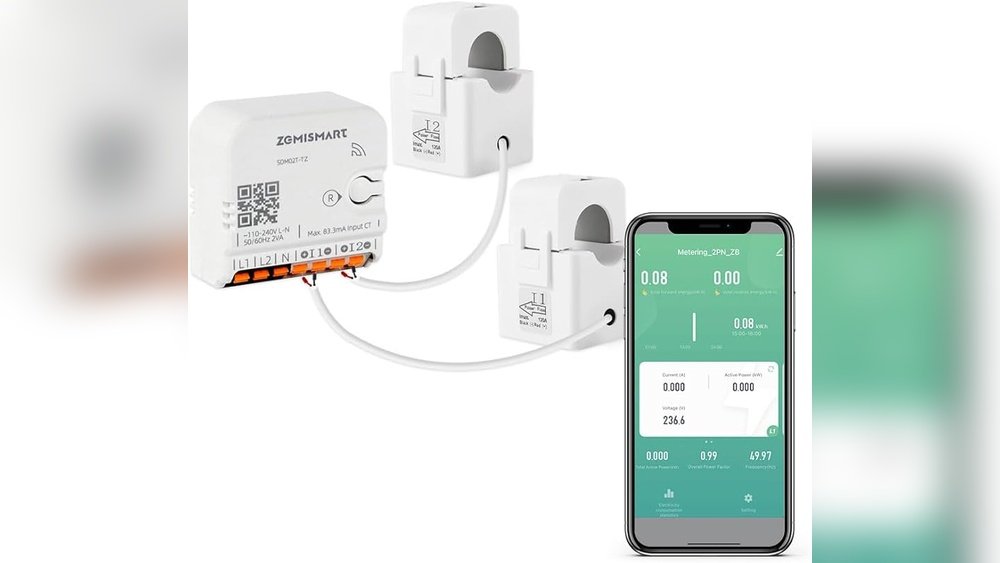
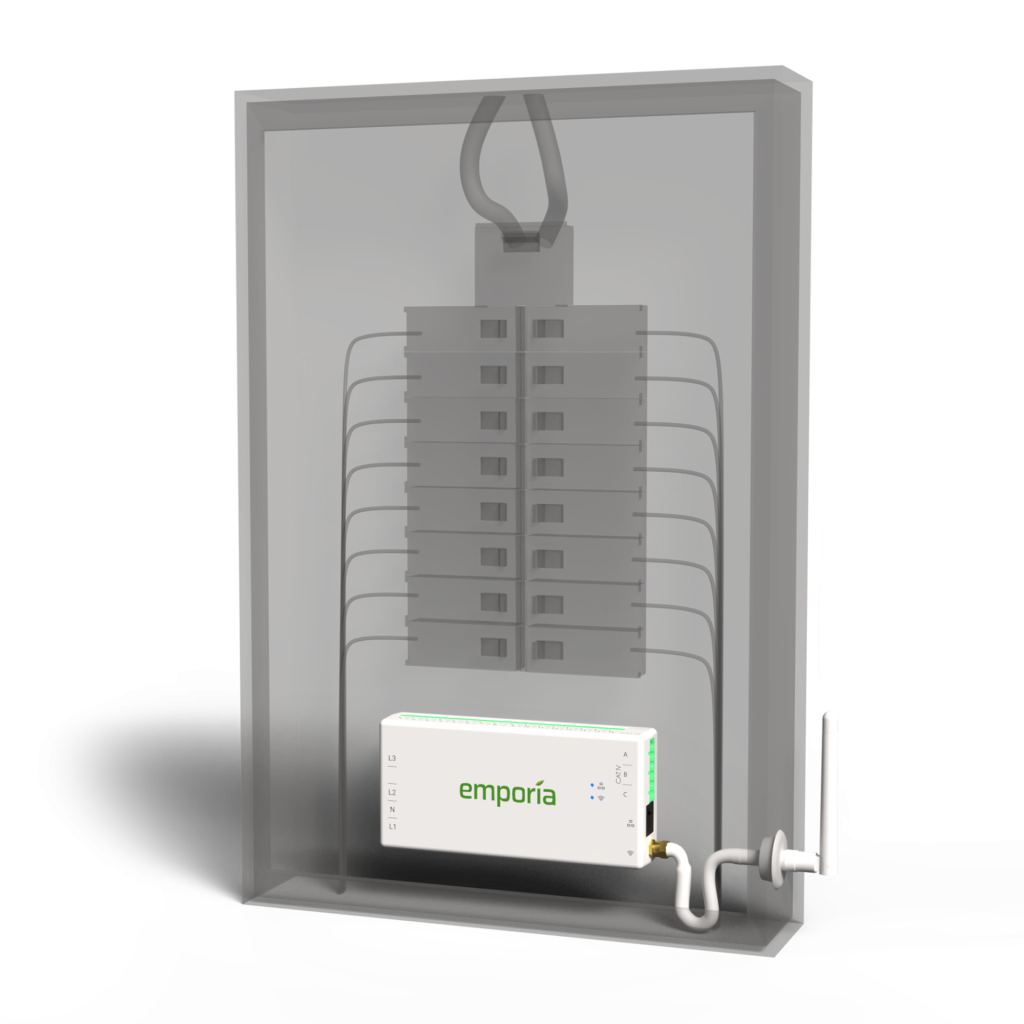
The sensor is the heart of the system. It sits near your electric meter or inside your circuit breaker panel. It measures how much electricity goes through your wires.
There are different types of sensors. The most common are called current transformers (CTs). They clip around your power wires. They sense the flow of electricity without touching the wires directly. This keeps it safe.
The sensor sends data many times per second. This lets the system know exactly when and how much power is used.
What Does the Gateway Do?
The gateway is like a translator. It takes the data from the sensor. Then, it sends the data to the internet. This is usually done through Wi-Fi or another wireless method.
Without the gateway, you cannot see your energy use on your phone or computer. The gateway makes sure your data reaches the app safely and quickly.

Credit: www.amazon.com
How Do You See Your Energy Use?
You use a mobile app or a website. This app shows your energy use in easy-to-read graphs and numbers. You can see your total energy use for the day, week, or month.
Some apps break down the energy use by device or room. This helps you find what uses the most power. For example, you might see that your refrigerator uses a lot of electricity.
You can also set goals to use less energy. The app might send alerts if you use too much power or if a device uses power at odd times.
Why Are These Systems Useful?
Smart home energy monitoring systems help you save money. They show you where power is wasted. Then, you can turn off devices or replace them with better ones.
They also help the environment. Using less energy means fewer carbon emissions. This helps reduce air pollution and fight climate change.
In some cases, the system can work with smart devices. For example, it can turn off lights or appliances when you are not home.
Credit: www.emporiaenergy.com
How Do These Systems Collect and Use Data?
Here is a simple explanation:
- Step 1: The sensor measures electricity use in real-time.
- Step 2: The gateway collects the sensor data.
- Step 3: Data is sent to the cloud server for storage.
- Step 4: The app downloads the data and shows it to you.
- Step 5: You check the app and make changes to save energy.
Types of Smart Home Energy Monitoring Systems
There are two main types:
- Whole-Home Monitoring: Measures electricity use for the entire house. It gives an overview of total energy use.
- Per-Device Monitoring: Measures electricity use for each device or appliance. This is more detailed but sometimes more expensive.
Some systems combine both types for better control and insight.
How to Choose the Right System for Your Home
Here are some tips:
- Check if the system works with your home’s electric panel.
- Look for easy installation or professional help.
- Choose a system with a user-friendly app.
- See if it works with other smart home devices you have.
- Consider your budget and long-term savings.
Installation Process
Installing a smart energy monitoring system can be simple or complex. It depends on the system and your home’s wiring.
Many systems require a professional electrician. This keeps the installation safe and correct. Some plug-and-play options work without an electrician but only monitor one device or outlet.
How Does This System Help You Save Energy?
Once installed, you can see which devices use a lot of power. You might find old devices that waste energy.
You can switch off devices when not in use. Or replace old appliances with energy-efficient models.
Some systems allow you to schedule when devices turn on or off. This lowers energy use during peak hours, saving money.
Real-Life Example
Imagine this: You see your app showing the air conditioner uses most of your power. You decide to raise the thermostat a few degrees. This small change saves energy and lowers your bill.
Or, the app alerts you that a light is on in a room you are not using. You turn it off remotely. Easy!
Future of Smart Home Energy Monitoring
These systems will keep getting better. New features may include:
- More accurate device detection
- Better integration with solar panels
- Automatic energy-saving actions
- Smarter alerts for unusual energy use
Technology will help homes become more energy-efficient and friendly to the environment.
Summary
Smart home energy monitoring systems measure your electricity use. They send data to your phone or computer. You see how much energy you use and where. This helps you save money and use less power.
These systems have sensors, a gateway, a cloud server, and an app. They work together to give you easy-to-understand information. You can change your habits or devices to save energy.
Choosing the right system depends on your home and needs. Installation may need a professional. Smart energy monitoring is a simple way to use energy wisely. It is good for your wallet and the planet.
Frequently Asked Questions
What Is A Smart Home Energy Monitoring System?
A smart home energy monitoring system tracks electricity use in real-time. It helps users see which devices use the most power. This makes it easier to save energy and cut costs.
How Do Smart Energy Monitors Connect To My Home?
They usually connect to your home’s Wi-Fi or smart hub. Some use sensors on your electric panel to gather data. This lets you watch energy use on your phone or tablet.
Can Energy Monitors Help Reduce My Electricity Bill?
Yes, by showing which devices waste energy, you can adjust habits. Turning off unused devices saves power and lowers bills. The system also suggests ways to use energy smarter.
Do Smart Energy Monitors Work With Solar Panels?
Many models support solar energy systems and track solar power use. They monitor how much energy you generate and consume. This helps maximize your solar panel benefits.