
Smart home devices are everywhere today. They help us control lights, locks, and even temperature. But have you ever wondered how these devices talk to each other? How does your smart speaker know when to turn on the lights? This article will explain how smart home devices communicate in a simple way.
What Are Smart Home Devices?
Smart home devices are gadgets that connect to the internet or each other. They can be controlled by apps or voice commands. Examples include smart bulbs, cameras, thermostats, and door locks. These devices make life easier and more comfortable.
Why Do Smart Devices Need to Communicate?
Devices need to share information to work together. For example, your motion sensor can tell the smart light to turn on when you enter a room. Without communication, each device works alone. Communication makes smart homes smarter.
Types of Communication Between Smart Devices
Smart devices use several ways to talk to each other. The most common methods are Wi-Fi, Bluetooth, Zigbee, and Z-Wave. Each one has good points and limits.
Wi-fi
Wi-Fi is the same internet connection you use for your phone or computer. Many smart devices connect through Wi-Fi. It allows devices to send and receive data quickly.
Pros of Wi-Fi:
- Works over long distances in the home
- Fast data transfer
- Easy to set up with home internet
Cons of Wi-Fi:
- Uses more power, so some devices drain batteries fast
- Too many devices can slow down the network
- Sometimes less secure without strong passwords
Bluetooth
Bluetooth is a short-range connection. It works best when devices are close, usually under 30 feet. Many smart devices use Bluetooth to connect directly without internet.
Pros of Bluetooth:
- Low power use
- Simple to connect devices
- Good for small device groups
Cons of Bluetooth:
- Limited range
- Can be slow for big data
- May face interference from walls or other devices
Zigbee
Zigbee is a special kind of wireless network made for smart homes. It uses low power and can connect many devices in a mesh network.
A mesh network means devices connect to each other, not just one hub. This helps signals travel farther and stay strong.
Pros of Zigbee:
- Low energy use
- Good for many devices together
- Reliable and secure
Cons of Zigbee:
- Needs a hub or gateway to connect to internet
- Not as common as Wi-Fi or Bluetooth
- Can be hard to set up for beginners
Z-wave
Z-Wave is like Zigbee but works on a different frequency. It also uses a mesh network. Z-Wave is popular for home security devices.
Pros of Z-Wave:
- Good range inside homes
- Works well with many devices
- Secure communication
Cons of Z-Wave:
- Usually more expensive devices
- Needs a hub to connect with internet
- Fewer devices support it than Wi-Fi
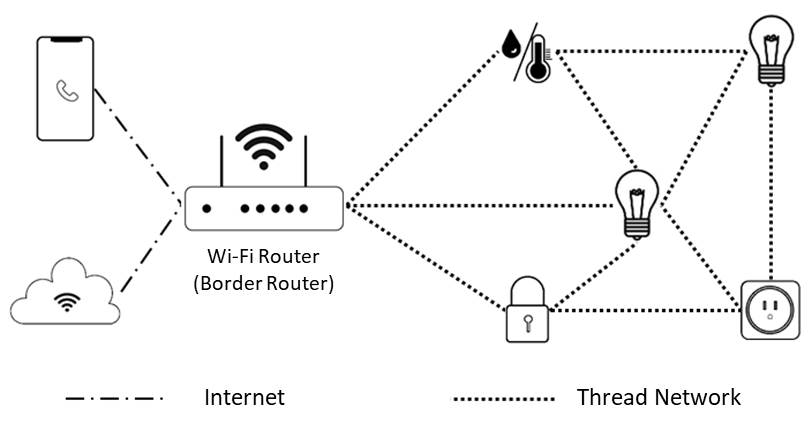
Credit: www.allion.com
How Do These Devices Actually Talk?
Smart devices send messages or signals to each other. These messages can be commands or data. For example, a door sensor sends a message when opened. The hub or another device receives it and acts.
Most smart homes have a central hub or controller. This hub understands messages and tells devices what to do. Sometimes, devices talk directly without a hub.
Here is a simple example:
- You enter the room.
- A motion sensor detects you.
- The sensor sends a signal to the smart hub.
- The hub tells the smart light to turn on.
- The light switches on automatically.
Role of Apps and Voice Assistants
Apps on phones or tablets help control devices. You can send commands from anywhere. Voice assistants like Alexa or Google Home also help. You speak, and they send messages to devices.
These apps and assistants use the internet to connect. They send commands to your home hub or directly to devices. This makes control easy and fast.

Credit: shop.bl.uk
Security in Smart Device Communication
Security is very important. Devices share private information. If someone hacks your smart home, they could cause trouble. That is why communication uses special codes called encryption.
Encryption scrambles data so only trusted devices can read it. Many smart devices also require passwords. Always use strong passwords and update devices regularly.
Summary Table: Comparing Smart Home Communication Types
| Communication Type | Range | Power Use | Speed | Needs Hub? | Best For |
|---|---|---|---|---|---|
| Wi-Fi | Long | High | Fast | No | Video cameras, smart TVs |
| Bluetooth | Short | Low | Medium | No | Speakers, headphones |
| Zigbee | Medium (with mesh) | Low | Medium | Yes | Lights, sensors |
| Z-Wave | Medium (with mesh) | Low | Medium | Yes | Security devices |
Frequently Asked Questions
How Do Smart Home Devices Connect With Each Other?
Smart home devices connect using wireless signals like Wi-Fi, Bluetooth, Zigbee, or Z-Wave. These signals let devices share information easily.
What Is Zigbee And How Does It Help Smart Homes?
Zigbee is a wireless protocol made for smart home devices. It uses low power and works well for many devices in one network.
Can Smart Home Devices Communicate Without Wi-fi?
Yes, many smart devices use Bluetooth or Zigbee to talk without Wi-Fi. This helps when Wi-Fi is weak or unavailable.
Why Do Smart Devices Use Different Communication Protocols?
Different protocols suit different needs, like range, speed, or power use. Devices pick the best one to work well.
Conclusion
Smart home devices talk in many ways. Wi-Fi, Bluetooth, Zigbee, and Z-Wave are the main methods. Each has strengths and weaknesses. They help devices work together smoothly.
Knowing how they communicate helps you choose the right devices. It also helps keep your smart home safe. Next time you use a smart device, remember the hidden talk happening inside your home.