
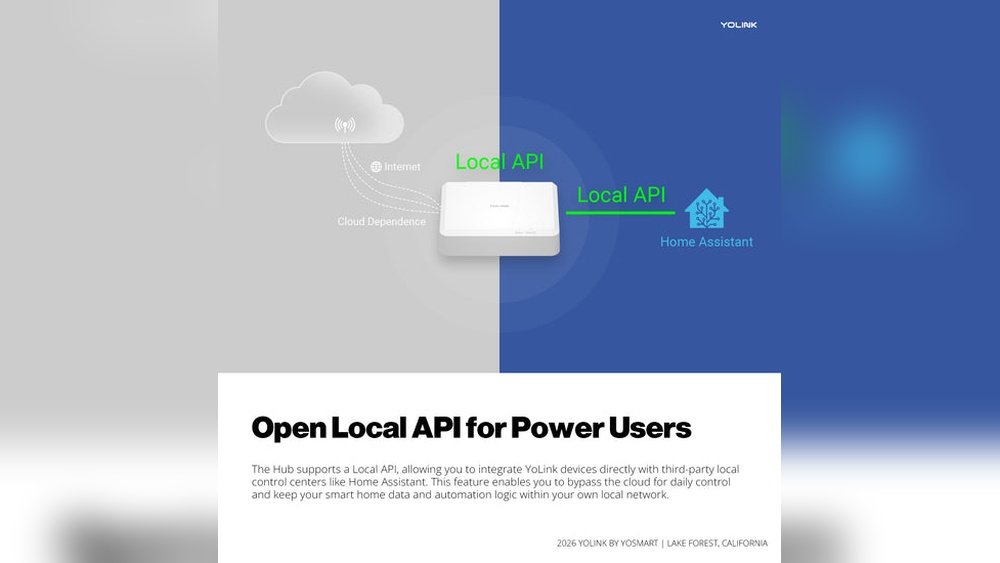
Smart home systems are becoming more common in houses today. They help control lights, locks, thermostats, and more. But when it comes to how these devices talk to each other, there are two main ways: local API and cloud API. Understanding the difference helps you choose the best system for your home.
What Is an API?
API stands for Application Programming Interface. It is a set of rules that lets different devices or software talk to each other. Think of it like a language that devices use to share information.
In smart homes, APIs connect your phone, smart devices, and control systems. They allow you to turn on the lights or check the temperature with just a tap.
Local API Explained
A local API works inside your home. It connects devices directly without using the internet. Your phone or smart hub sends commands straight to the device.
Because local APIs do not need the internet, they are usually faster. The commands reach the device quickly, making the system feel more responsive.
Advantages Of Local Api
- Faster Response Time: Devices act quickly after you give a command.
- Works Offline: Your smart home still works even if the internet goes down.
- Better Privacy: Your data stays inside your home, not sent to outside servers.
- Less Dependence on Internet: No need to worry about slow or lost connections.
Disadvantages Of Local Api
- Limited Remote Access: You cannot control devices easily when away from home.
- Complex Setup: Setting up local connections can be harder for some users.
- Compatibility Issues: Not all smart devices support local API connections.
Cloud API Explained
A cloud API connects your devices through the internet. When you send a command, it goes to a cloud server first. Then, the server sends the command to your device.
This method allows you to control your smart home from anywhere. You just need an internet connection and your phone.
Advantages Of Cloud Api
- Remote Access: Control devices from anywhere in the world.
- Easy Setup: Many cloud-based systems are simple to install.
- Wide Device Support: Most smart devices work with cloud APIs.
- Automatic Updates: Cloud servers update software without your effort.
Disadvantages Of Cloud Api
- Slower Response: Commands take longer due to internet delays.
- Internet Required: If internet goes down, smart devices might not work.
- Privacy Concerns: Your data goes to cloud servers, raising security questions.
Comparison Table: Local API vs Cloud API
| Feature | Local API | Cloud API |
|---|---|---|
| Connection Type | Direct, inside home | Through internet and cloud servers |
| Speed | Fast | Slower due to internet |
| Internet Needed | No | Yes |
| Remote Control | Limited or no | Easy and possible |
| Privacy | Better, data stays local | Less, data stored on cloud |
| Setup | Can be harder | Usually easier |
| Device Support | Limited | Wide |
Which Is Better for Your Smart Home?
The answer depends on what you want.
If you want your smart home to work even when the internet is down, local API is good. It gives fast control and keeps your data safe.
But if you want to control your home from anywhere, cloud API is better. It is easy to set up and works with many devices.
Some smart home systems use both local and cloud APIs. This way, you get fast local control and remote access too.
Examples of Local and Cloud APIs
Here are some real examples to help you understand better:
- Local API: Zigbee and Z-Wave devices often use local APIs. They connect through a smart hub inside your home.
- Cloud API: Amazon Alexa, Google Home, and Apple HomeKit mainly use cloud APIs. They rely on internet servers to connect devices.
Security Considerations
Security is important in smart homes.
Local APIs keep your data inside your house. This lowers the risk of hackers accessing your information.
Cloud APIs send data over the internet. This can be safer if the cloud provider uses strong security. But it also means your data travels outside your home.
Always use strong passwords and update devices often. This helps protect your smart home.
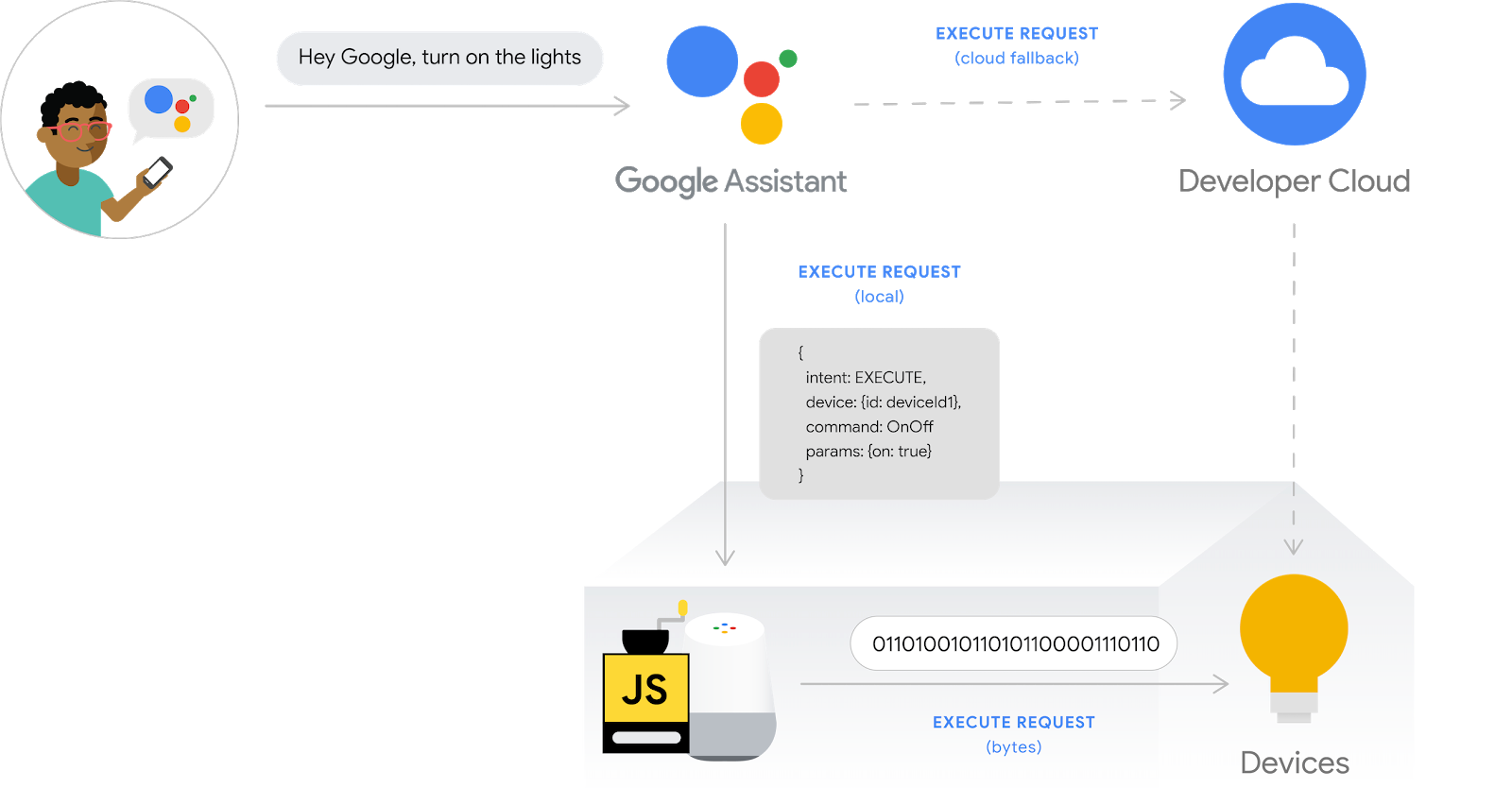
Credit: developers.home.google.com
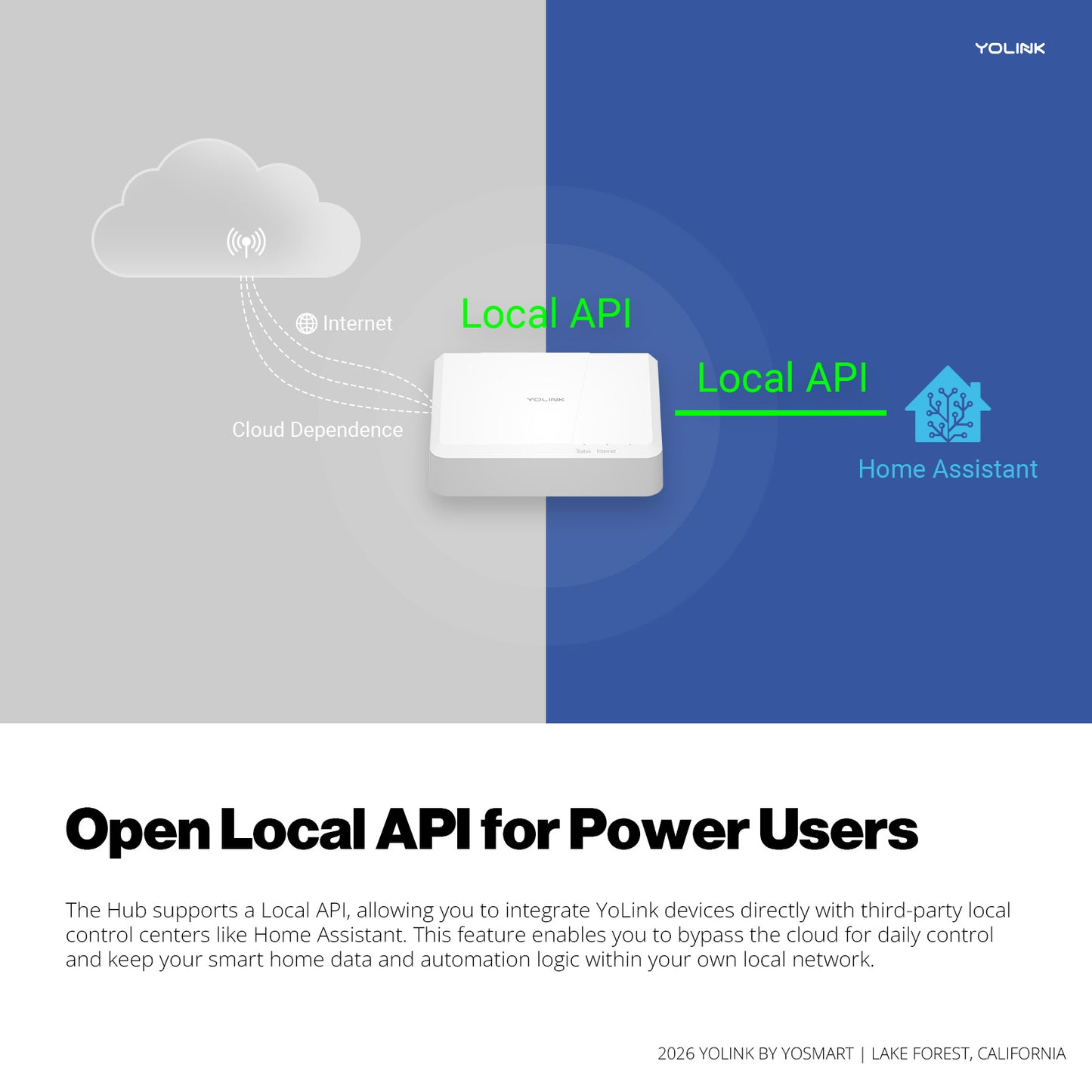
Credit: shop.yosmart.com
Cost Differences
Local API systems may need special hubs or controllers. This can cost more at the start.
Cloud API systems often have lower setup costs. But some may charge monthly fees for cloud services.
Think about your budget and how much control you want.
Final Thoughts
Local API and cloud API both have good points.
Local API is fast, private, and works without internet.
Cloud API offers remote control, easy setup, and broad device support.
Your choice depends on your needs and how you want to use your smart home.
Some people prefer the mix of both for the best experience.
Frequently Asked Questions
What Is The Main Difference Between Local Api And Cloud Api?
Local API runs directly on your home devices, while Cloud API works through the internet. Local API offers faster response and better privacy. Cloud API allows remote control from anywhere.
How Does Local Api Improve Smart Home Security?
Local API keeps data inside your home network, limiting external access. This reduces the risk of hacking through the internet. It offers stronger control over your personal information.
Can Cloud Api Work Without Internet Connection?
No, Cloud API needs an active internet connection to function. Without internet, devices may lose remote access and some features. Local API can still work offline.
Which Api Is Better For Faster Smart Home Response?
Local API provides quicker device response because it avoids internet delays. It processes commands within your home network. Cloud API may have slight delays due to data travel.