
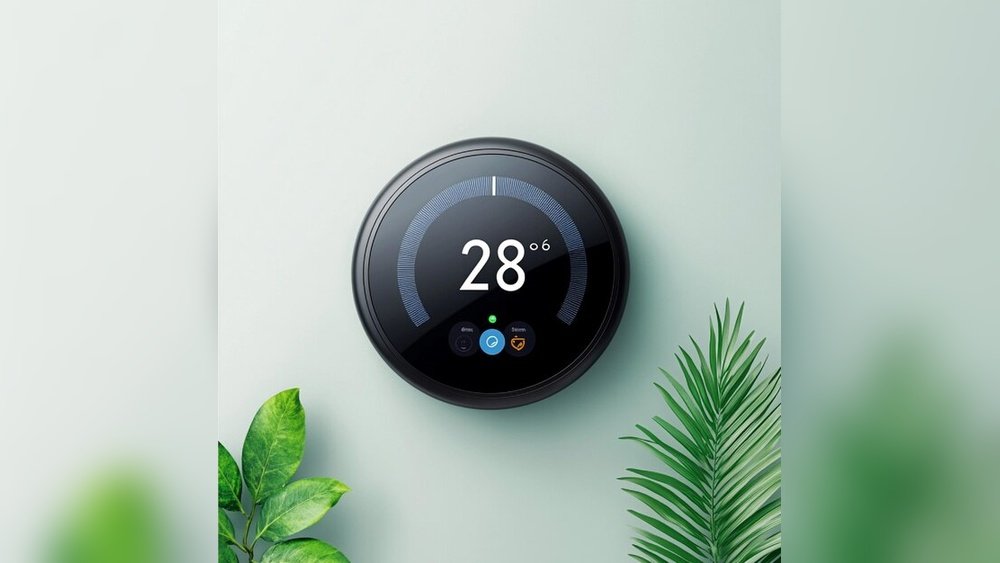
Smart thermostats are becoming common in many homes. They help control heating and cooling. But how do they know what temperature you like? How do they learn your preferences? This article will explain this in a simple way.
What Is a Smart Thermostat?
A smart thermostat is a device that controls the temperature in your house. It can connect to the internet and can be controlled from your phone. Unlike old thermostats, smart ones can learn what you like. They adjust the temperature automatically to keep you comfortable.
Why Do Smart Thermostats Need to Learn?
People like different temperatures at different times. You may like it warm in the morning but cool at night. Some days you want it cooler because you are active. Other days, you want it warmer when you rest. Smart thermostats learn these habits to save energy and keep you happy.
How Do Smart Thermostats Learn Your Temperature Preferences?
Smart thermostats use many ways to learn your likes. Here are the main methods:
1. Learning From Your Manual Changes
When you change the temperature on the thermostat, it remembers. It tracks what times you make changes. For example, if you turn the heat up every morning at 7 AM, the thermostat notes this. After some days, it starts to do this automatically.
2. Using Sensors To Detect Presence
Many smart thermostats have motion sensors. These sensors know when someone is home. If no one is in the room, the thermostat may lower or raise the temperature to save energy. When you come back, it adjusts to your preferred temperature.
3. Connecting With Your Phone Or Devices
Some smart thermostats connect to your smartphone. They use location data to know if you are home or away. For example, if you leave your house, the thermostat lowers heating or cooling. When you return, it warms or cools the home again.
4. Learning From Weather Data
Smart thermostats use weather information too. They adjust your home’s temperature based on outside weather. If it is very cold outside, the thermostat may heat your home more. If it is hot outside, it may cool more. This helps keep your home comfortable all day.
5. Using Machine Learning Algorithms
Machine learning is a type of computer program. It helps the thermostat understand your habits. The thermostat looks for patterns in your temperature changes. Over time, it predicts what temperature you want and when. This way, it works better every day.
What Happens When a Smart Thermostat Learns Your Preferences?
After learning, the thermostat adjusts by itself. You don’t have to change the temperature all the time. It knows your schedule, like when you wake up or sleep. It keeps your home comfortable and saves energy by not heating or cooling when not needed.

Credit: www.dreamstime.com
Benefits of Smart Thermostats Learning Your Preferences
There are many good things about this learning ability:
- Comfort: Your home stays at the right temperature.
- Energy Saving: It lowers heating or cooling when you don’t need it.
- Cost Saving: You spend less money on energy bills.
- Convenience: No need to adjust the thermostat every time.
How Long Does It Take for a Smart Thermostat to Learn?
Usually, it takes about one to two weeks. The thermostat needs time to collect enough data. It watches your daily temperature changes and habits. After that, it starts to adjust on its own.
Can You Help Your Smart Thermostat Learn Faster?
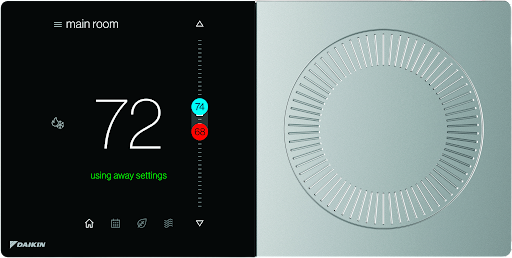
Yes. You can help by setting the temperature manually for the first days. Change it when you want to feel warmer or cooler. The thermostat will remember these changes. Also, use the app if your thermostat has one. This can help it learn your schedule better.
Credit: daikincomfort.com
What If Your Preferences Change?
Sometimes, your temperature likes change. Maybe because of seasons or new routines. Smart thermostats keep learning all the time. They adjust to new patterns. So, if you start waking up earlier, the thermostat will learn and change the schedule.
Do All Smart Thermostats Learn the Same Way?
No. Different brands use different methods. Some use more sensors. Others rely more on your phone. Some are better at predicting your habits. It depends on the technology used.
Summary Table: How Smart Thermostats Learn Your Temperature Preferences
| Method | How It Works | Benefit |
|---|---|---|
| Manual Changes | Remembers when you change temperature | Adjusts automatically to your habits |
| Motion Sensors | Detects if someone is home | Saves energy when rooms are empty |
| Phone Location | Knows if you are home or away | Adjusts temperature based on presence |
| Weather Data | Uses outside temperature info | Keeps home comfortable in all weather |
| Machine Learning | Finds patterns in your temperature choices | Predicts and adjusts temperature automatically |
Final Thoughts
Smart thermostats make life easier by learning your temperature needs. They watch your habits, use sensors, and data to adjust your home. This learning saves energy and money. It also keeps your home comfortable all day long.
If you want a thermostat that adapts to you, smart ones are a good choice. Just remember to give it time to learn. Help it by setting the temperature when you want. Soon, it will do this for you automatically.
Frequently Asked Questions
How Do Smart Thermostats Detect My Temperature Preferences?
Smart thermostats use sensors and learn from your manual adjustments. They track when you change temperatures and remember your habits.
Can Smart Thermostats Adapt To Daily Routines?
Yes, they analyze your daily schedule and adjust temperatures automatically. This helps save energy while keeping you comfortable.
Do Smart Thermostats Learn From Multiple Users?
They can recognize different patterns if multiple people use the thermostat. Some models allow separate user profiles for better personalization.
How Long Does It Take For A Smart Thermostat To Learn?
Most smart thermostats learn your preferences within one to two weeks. They gather enough data from your temperature changes during this time.