
As an Amazon Associate, we earn from qualifying purchases. This post contains affiliate links – if you buy through them, we may earn a commission at no extra cost to you.
Choosing a smart plug comes down to how much you need to track your power usage versus how much you value simple setup. While all these plugs offer scheduling, they differ in app complexity, energy monitoring capabilities, and how they connect to your existing smart home controllers.
Best overall: Kasa Smart Plug EP10, for its proven reliability and simple setup process that over 6 million users have trusted. Best for universal compatibility: Linkind Matter Smart Plug, because it works across major platforms like Apple Home and Alexa without needing unique apps. Best for energy monitoring: Emporia Energy Monitoring Plug, which helps you track power usage to eliminate wasteful stand-by energy.
This guide is for anyone looking to automate home electronics without complex wiring.
How We Picked
To earn a spot, a listing had to clearly state its Wi-Fi requirements, power capacity, and safety certifications. We excluded models that lacked specific information about their app compatibility or max load capacity. Our selections focus on products that provide clear, manufacturer-backed data on their automation capabilities.
| Best Choice | |||
| Preview |  |  |  |
|---|---|---|---|
| Product | Kasa Smart Plug EP10 | Linkind Matter Smart Plug | Emporia Energy Monitoring Plug |
| Brand | Kasa Smart | Linkind | EMPORIA |
| Best for | Best Overall | Best Universal Compatibility | Best Energy Monitoring |
| The listing says | Voice control via Alexa and Google Assistant Requires 2.4GHz Wi-Fi connection | Matter certified for multiple smart platforms Works locally without internet connection | Supports 120V outlets with 10A continuous load Monitors energy usage of connected devices |
| More information | Check Price on Amazon | Check Price on Amazon | Check Price on Amazon |
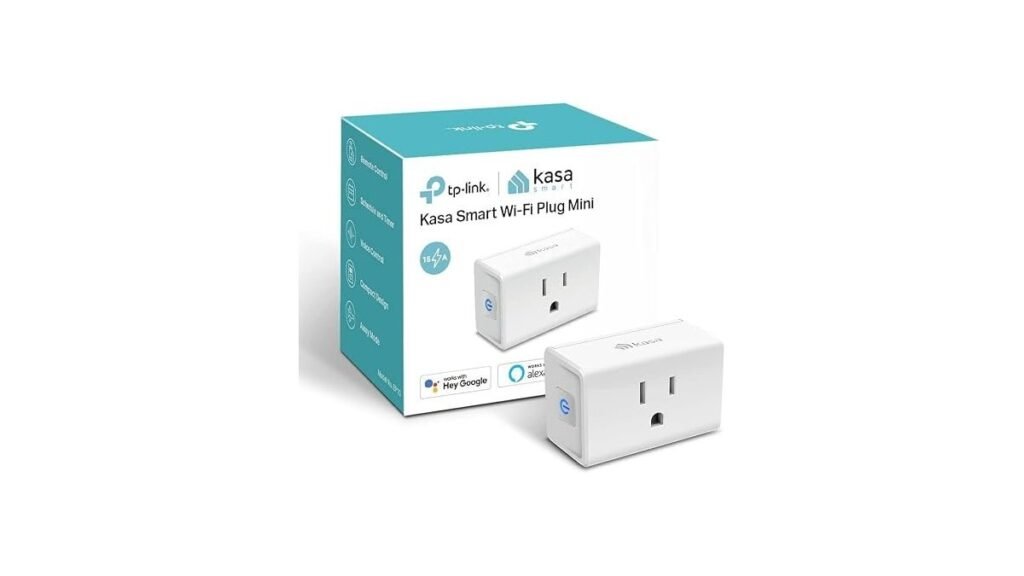
1. Kasa Smart Plug Ultra Mini 15A
Best for: Users who want a reliable, simple smart home setup.
The Kasa Smart Plug EP10 stands out for its straightforward design and wide compatibility with Alexa and Google Home. Its scheduling feature lets you automate lamps, fans, or humidifiers easily through the Kasa app. Because it’s UL certified, you have an added layer of safety assurance when using it for daily home electronics.
This plug is backed by a 2-year warranty. It requires a 2.4GHz Wi-Fi connection, so ensure your router is set up correctly before installation. This model isn’t the right fit for users who need detailed energy consumption statistics, as it focuses strictly on remote and voice control.
Pros
- Simple setup via Kasa app.
- Compatible with Alexa and Google.
- UL certified for safety.
Cons
- Lacks energy monitoring features.
2. Linkind Matter Smart Plug
Best for: Households using multiple smart home platforms.
The Linkind Matter Smart Plug uses the Matter protocol, which allows it to connect directly to platforms like Apple Home, Alexa, or SmartThings. This is helpful if you want to control your devices locally on your network without relying on cloud services. Its offline-ready control means your schedules can still function even if your internet connection drops.
The compact design ensures it won’t block other outlets, which is a major plus for crowded power strips. It’s built with fire-resistant materials and handles up to 15A, providing protection against overloads. This plug isn’t ideal for users who don’t have a Matter-certified hub, as that’s required for full integration with most major voice platforms.
Pros
- Works with Apple HomeKit.
- Supports offline local control.
- Compact, fire-resistant design.
Cons
- Requires Matter-certified hub.
3. Emporia Energy Monitoring Smart Plug
Best for: Users who want to track their energy usage.
The Emporia Energy Monitoring Plug goes beyond simple scheduling by providing real-time data on how much power your devices consume. By monitoring your appliances, you can identify which ones are drawing wasteful stand-by power and adjust your schedules accordingly. It supports a 10A continuous load, making it a great tool for managing lamps or small fans.
The setup requires a 2.4GHz Wi-Fi network to enable remote control from anywhere. Using the Emporia app, you can toggle devices on or off instantly if you forget to do so before leaving home. This plug isn’t suitable for high-wattage appliances that exceed the 15A peak load limit, as it’s designed specifically for standard home electronics.
Pros
- Real-time energy usage monitoring.
- Remote control via app.
- Simple scheduling interface.
Cons
- 10A continuous load limit.
How to Choose Smart Plugs with Scheduling
Which connection type is best?
Always confirm your router supports 2.4GHz Wi-Fi, as almost all smart plugs require this frequency for stable performance. Modern Underwriters Laboratories safety standards ensure these devices are tested for fire resistance, so look for that certification mark on the listing before you buy.
Do I need a smart hub?
Most basic plugs work directly with your phone, but Matter-certified models like the Linkind Matter Smart Plug often require a hub to link with Apple Home or Alexa. If you want a plug-and-play experience, choose a model that connects directly to your home Wi-Fi.
Is energy monitoring necessary?
If you want to reduce your electricity bill, choose a model like the Emporia Energy Monitoring Plug. It shows you exactly which devices consume the most power, allowing you to set smarter schedules that cut off electricity when appliances aren’t in use.
Related guides
Frequently Asked Questions
What happens if my Wi-Fi goes down?
Most smart plugs, such as the Linkind Matter Smart Plug, allow for local control within your network if they support the Matter protocol. Basic models usually rely on cloud signals, meaning your schedules might pause until the internet connection is restored.
Can these plugs handle heavy appliances?
Each plug has a specific maximum load limit, such as the 15A peak capacity for the Emporia Energy Monitoring Plug. You must check your appliance’s power requirements to ensure they stay within the safety limits stated by the manufacturer to prevent overloads.
Are these devices difficult to install?
Most smart plugs like the Kasa Smart Plug EP10 are designed for simple setup by plugging them into a standard outlet and following the app instructions. The process typically involves connecting to your standard home Wi-Fi network and naming the device for voice control.
Is the simplest model on the list enough?
The Kasa Smart Plug EP10 is sufficient for users who only need reliable remote scheduling and voice control. It doesn’t provide energy data, but it excels at its core job of turning electronics on and off based on your daily routine.
Closing
For most homes, the Kasa Smart Plug EP10 is the most dependable choice for basic automation, while the Linkind Matter Smart Plug offers the best flexibility for complex smart home systems. Check your router settings today to confirm your network is ready for a new smart device.
Pingback: 3 Best Smart Plugs for High Power Appliances: Our Top Picks in 2026 - nestsynq.com
Pingback: 3 Best Smart Switches for Older Homes: Our Top Picks in 2026 - nestsynq.com
Pingback: 3 Best Smart Dimmer Switches Without Neutral Wire Options in 2026 - nestsynq.com
Pingback: 3 Best Automatic Pet Feeders With App Control Reviewed in 2026 - nestsynq.com