
Water leaks can cause big problems in homes. Basements and bathrooms are places where leaks happen often. If you don’t catch leaks early, they can cause damage. Water can ruin walls, floors, and your stuff. It can also lead to mold. Mold is bad for health. So, protecting these areas is very important.
A water leak detector helps you find leaks fast. It alerts you before the problem gets worse. This article explains what water leak detectors are. It also helps you pick the best one for your basement and bathroom.

Credit: www.pcmag.com
What Is a Water Leak Detector?
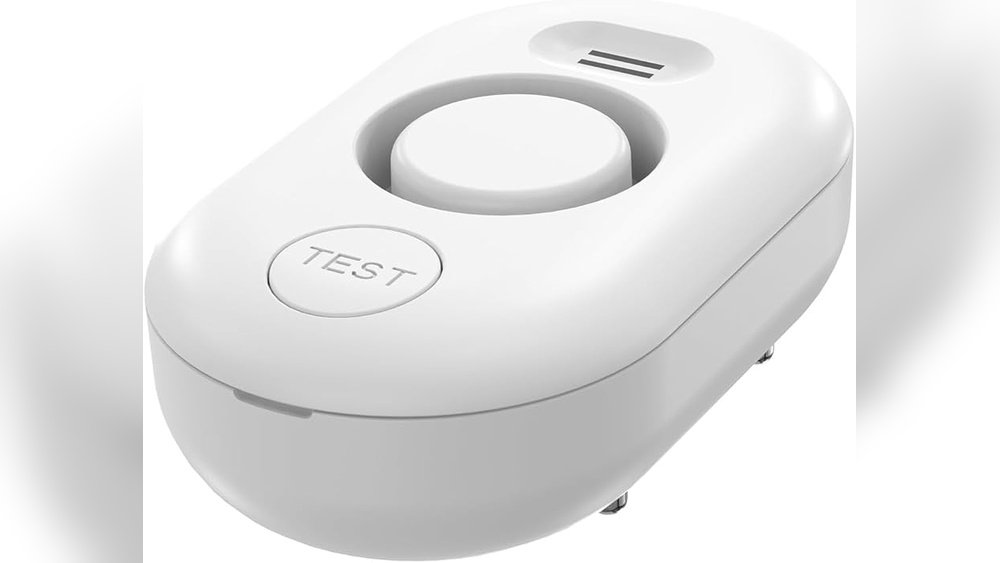
A water leak detector is a small device. It senses water where it should not be. When it finds water, it sends a warning. Some detectors beep loudly. Others send alerts to your phone. This quick warning helps you stop leaks early.
Detectors usually sit on the floor or near pipes. When water touches the sensor, the alarm goes off. Some detectors work with smart home systems. You can check them from anywhere.
Why Protect Your Basement and Bathroom?
- Basements often have pipes and sump pumps. These can leak or break.
- Water in basements can cause flooding and damage to walls.
- Bathrooms have many water sources like toilets and sinks.
- Leaks here can damage cabinets, floors, and ceilings.
- Both areas are dark and damp, perfect for mold growth.
Because of these risks, detecting leaks early saves money. It also keeps your home safe and clean.
Types of Water Leak Detectors
There are different types of leak detectors. Each type works best in certain spots.
| Type | How It Works | Best For |
|---|---|---|
| Spot Detectors | Sits on floor, alarms when water touches it | Basements, under sinks, near toilets |
| Pipe Sensors | Wraps around pipes, detects moisture or pressure changes | Bathrooms, basements with exposed pipes |
| Smart Detectors | Connects to Wi-Fi, sends alerts to phone | Anywhere in the home, remote monitoring |
| Water Shutoff Valves | Detects leaks and stops water flow automatically | Homes with high water damage risk |
Features to Look for in a Leak Detector
When choosing a water leak detector, look for these features:
- Easy installation: Choose a detector that you can set up quickly.
- Audio alert: Loud alarms help you hear leaks immediately.
- Remote notifications: Alerts on your phone are helpful when you are away.
- Battery life: Long-lasting batteries reduce maintenance.
- Waterproof sensor: Sensors must work well even in wet places.
- Multiple sensors: Some detectors allow you to add more sensors.
Best Places to Install Leak Detectors
Put detectors in these key spots to catch leaks early:
- Near water heaters: Water heaters can leak or burst.
- Under sinks: Pipes often drip or break here.
- Next to toilets: Toilets can leak at the base or tank.
- Basement floors: Water can enter through cracks or drains.
- Behind washing machines: Hoses can break or loosen.
Checking these areas regularly helps you stay safe.
Top Water Leak Detectors for Basements and Bathrooms
Here are some good options that work well for basements and bathrooms:
1. Spot Water Leak Sensor
- Simple to install on floors
- Beep alarm when water touches sensor
- Works with batteries that last a long time
- Great for basements and under sinks
2. Smart Wi-fi Leak Detector
- Connects to your phone via Wi-Fi
- Alerts you wherever you are
- Can add many sensors in your home
- Good for bathrooms and basements
3. Water Leak Alarm With Automatic Shutoff
- Detects leaks and stops water flow
- Helps prevent big water damage
- Needs professional installation
- Best for high-risk areas
4. Pipe Wrap Sensor
- Wraps around pipes to detect moisture
- Alerts if pipe leaks or sweating occurs
- Good for exposed pipes in basements
- Helps stop leaks before flooding
How to Install a Water Leak Detector
Installation is usually easy. Follow these steps:
- Find the spot where leaks may start.
- Place the sensor on the floor or pipe.
- Turn on the device and test the alarm.
- If smart, connect it to your phone or Wi-Fi.
- Check batteries regularly and replace when needed.
Some detectors come with instructions. Follow them closely.

Credit: www.amazon.com
Tips to Prevent Water Damage in Basements and Bathrooms
Besides detectors, use these tips to protect your home:
- Check pipes and appliances often for leaks.
- Fix small leaks quickly before they grow.
- Keep basement floors clean and dry.
- Use a dehumidifier to reduce dampness.
- Seal cracks in basement walls and floors.
- Make sure sump pumps work well.
Frequently Asked Questions
What Is The Best Water Leak Detector For Basements?
A top basement water leak detector senses moisture early to prevent damage. Look for devices with alarms and easy installation.
How Do Water Leak Detectors Protect Bathrooms?
They alert you quickly to leaks under sinks or near toilets. This helps avoid costly water damage and mold growth.
Can Water Leak Detectors Work Without Wi-fi?
Yes, many models have built-in alarms that work offline. Some also offer optional Wi-Fi for remote alerts.
Where Should I Place A Water Leak Detector In My Basement?
Place detectors near sump pumps, water heaters, or pipes prone to leaks. This covers common leak sources effectively.
Conclusion
Water leaks in basements and bathrooms cause serious damage. A good water leak detector can save your home. It warns you early so you can act fast. Choose a detector with easy setup and good alerts. Use it in places where water leaks happen most. Protect your home from costly repairs and health risks. A small device can make a big difference.
Start today. Install a water leak detector. Keep your basement and bathroom safe from water damage.