
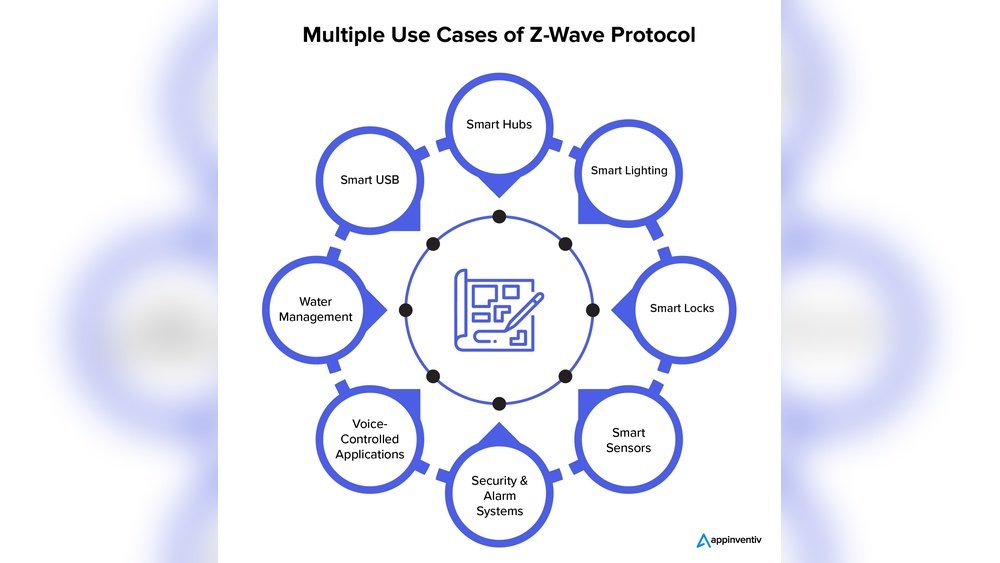
Smart homes are becoming more popular every day. Many people want to control lights, locks, and thermostats from their phones. But how do these devices talk to each other? They use special rules called protocols. Two popular smart home protocols are Zigbee and Z-Wave. In this article, we will explain the difference between Zigbee and Z-Wave. We will use simple words so everyone can understand.

Credit: appinventiv.com
What Are Smart Home Protocols?
Think of smart home protocols as languages. Devices need to speak the same language to work together. Protocols help devices send and receive information. Without them, your smart bulb may not turn on when you ask your phone. Zigbee and Z-Wave are two common languages for smart home devices.
What Is Zigbee?
Zigbee is a smart home protocol made to connect many devices. It is open, so many companies use it. Zigbee works on a type of radio frequency. It uses the 2.4 GHz band, which is the same band used by Wi-Fi and Bluetooth.
Zigbee is popular for its ability to connect many devices in a network. It is made to use low power, so devices can work for a long time on batteries.
What Is Z-Wave?
Z-Wave is another smart home protocol. It was made only for smart homes. Z-Wave uses a different radio frequency, usually around 900 MHz in the US. This helps it avoid interference from Wi-Fi and other devices that use 2.4 GHz.
Z-Wave is known for being easy to use and reliable. It also uses low power, so batteries last a long time in devices.
Key Differences Between Zigbee and Z-Wave
| Feature | Zigbee | Z-Wave |
|---|---|---|
| Frequency | 2.4 GHz (worldwide) | 900 MHz (varies by region) |
| Range | Up to 10-20 meters (30-65 feet) indoors | Up to 30-40 meters (100-130 feet) indoors |
| Number of Devices Supported | Up to 65,000 devices | Up to 232 devices |
| Network Type | Mesh network | Mesh network |
| Power Usage | Low power, good for battery devices | Low power, also good for battery devices |
| Interference | Possible interference from Wi-Fi and Bluetooth | Less interference due to different frequency |
| Compatibility | Many brands support Zigbee | Mostly smart home focused brands support Z-Wave |
| Security | Uses AES-128 encryption | Uses AES-128 encryption |
| Cost | Generally lower-cost devices | Devices tend to be a bit more expensive |
Frequency and Range
Zigbee uses the 2.4 GHz frequency. This is the same as Wi-Fi and Bluetooth. It means Zigbee devices may face interference. Wi-Fi signals can sometimes cause problems.
Z-Wave uses a lower frequency, usually around 900 MHz. This is less crowded. Z-Wave devices often have better range inside homes. They can reach 30-40 meters indoors. Zigbee devices usually reach 10-20 meters.
Network Size and Device Support
Zigbee can support a very large number of devices. It can connect up to 65,000 devices in one network. This makes it good for very big homes or buildings.
Z-Wave supports fewer devices. It can handle up to 232 devices in a network. This is usually enough for most homes.
Mesh Networking
Both Zigbee and Z-Wave use mesh networking. What is mesh? It means devices can talk to each other directly or through other devices. This helps signals travel farther and stay strong.
If one device is far from the hub, the signal can jump through other devices. This makes the network more reliable.
Power Use and Battery Life
Both protocols are designed to use little power. This helps battery-powered devices last longer. For example, door sensors or smart locks can run for months or years on one battery.
Interference Issues
Zigbee’s 2.4 GHz frequency can be crowded. Wi-Fi, Bluetooth, microwaves, and other devices use this band. This can cause interference and slow down communication.
Z-Wave’s lower frequency is less busy. It faces fewer interference problems. This can make Z-Wave devices more stable in busy homes.
Compatibility and Device Choices
Zigbee is an open standard. Many companies make Zigbee devices. This means you have many options for lights, sensors, plugs, and more. However, some devices may not work well together. It depends on the brand.
Z-Wave is more controlled. The Z-Wave Alliance tests devices to ensure they work together. This means Z-Wave devices often have better compatibility with each other. But there are fewer brands and device choices.
Credit: www.vesternet.com
Security Features
Both Zigbee and Z-Wave use AES-128 encryption. This is a strong way to protect your data. It helps keep your smart home safe from hackers.
Cost Differences
Zigbee devices tend to be less expensive. Because many companies make Zigbee products, prices are competitive.
Z-Wave devices usually cost a bit more. This is because of the testing and quality control done by the Z-Wave Alliance.
Which One Should You Choose?
Both Zigbee and Z-Wave are good choices. Your decision depends on your needs.
- If you want many devices, Zigbee is better. It supports more devices.
- If you want fewer interference problems, Z-Wave is better. It uses a less crowded frequency.
- If you want many brands and options, Zigbee is good. It has many compatible devices.
- If you want easy setup and strong compatibility, Z-Wave is good. It tests devices well.
- If you want longer range indoors, Z-Wave has an advantage.
- If you want lower cost, Zigbee devices usually cost less.
Summary
Zigbee and Z-Wave are two ways smart home devices talk. Both use mesh networks and low power. Zigbee works at 2.4 GHz and supports many devices. Z-Wave works at 900 MHz and has fewer devices but better range.
Zigbee has more device choices but may face interference. Z-Wave is more reliable but costs more.
Think about what matters most to you. Choose the protocol that fits your home and devices best.
Smart homes are easier to build when devices work well together. Knowing the difference between Zigbee and Z-Wave helps you decide.
Frequently Asked Questions
What Is The Main Difference Between Zigbee And Z-wave?
Zigbee uses the 2. 4 GHz frequency, while Z-Wave operates at 908. 42 MHz in the US. This affects range and interference levels. Zigbee supports more devices per network than Z-Wave.
Which Smart Home Protocol Has Better Range, Zigbee Or Z-wave?
Z-Wave generally offers a longer range per device, about 100 meters indoors. Zigbee’s range is around 10-20 meters indoors but supports many devices to extend coverage.
Can Zigbee And Z-wave Devices Work Together In One System?
No, Zigbee and Z-Wave use different frequencies and protocols, so they don’t directly communicate. You need a hub that supports both to control them together.
Which Protocol Is More Common In Smart Home Devices, Zigbee Or Z-wave?
Zigbee is more widely used and found in many popular smart home devices. Z-Wave has fewer compatible devices but is common in security systems.