
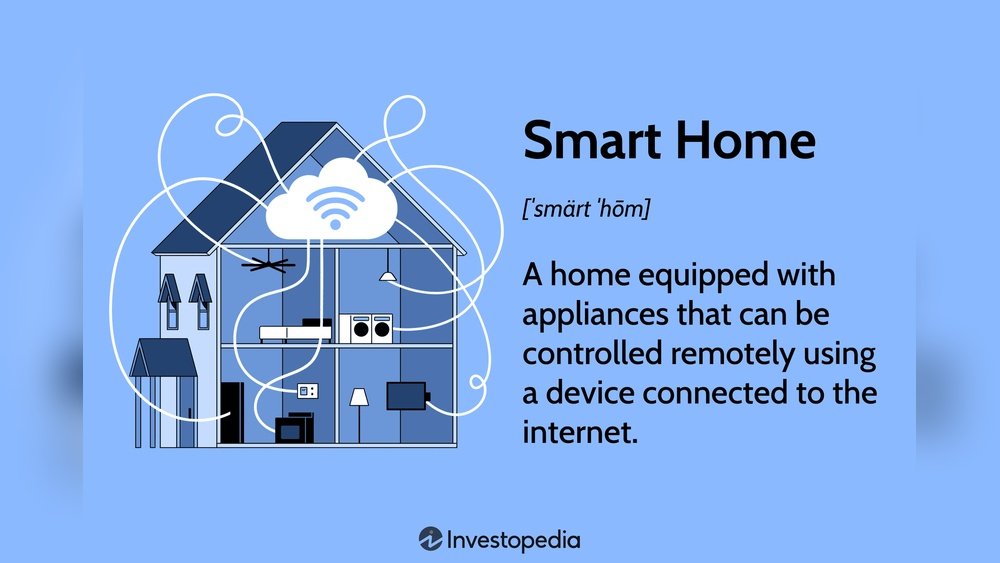
Have you ever noticed that your smart home devices always show the right time? Whether it is a smart thermostat, a smart speaker, or a security camera, they all seem to know the exact time. But how do they do that? How do smart home devices sync time automatically? Let’s explore this interesting topic in a simple way.
What Does Syncing Time Mean?
Syncing time means making sure that a clock shows the correct and same time as other clocks. For example, your phone, watch, and smart speaker all show the same time. This is important because many devices need the right time to work well.
Why Is It Important for Smart Devices?
Smart devices do many tasks at the right time. A smart light might turn on at 7 PM. A security camera might start recording at night. If the time is wrong, these devices won’t work properly. That is why syncing time is very important.
How Do Smart Devices Get the Correct Time?
Smart devices get the correct time from the internet. They do this by talking to special servers called “time servers.” These servers have the exact time and send it to the devices.
When a smart device connects to the internet, it asks a time server, “What time is it?” The server replies with the correct time. The device then sets its clock to match that time.
What Are Time Servers?
Time servers are special computers that keep very accurate time. They often use atomic clocks, which are the most precise clocks in the world. These servers are always connected to the internet and share the time with other devices.
The most popular time protocol used is called Network Time Protocol, or NTP. NTP helps devices find and get the right time from these servers.
Network Time Protocol (NTP)
NTP is like a messenger that carries time information. When a device needs the time, it sends a request using NTP. The time server replies with the exact time using NTP too.
This process happens quickly and often. Devices keep checking the time from the server to stay accurate.
How Often Do Devices Sync Time?
Smart devices usually sync their time every few hours or every day. This helps them stay accurate even if their internal clock drifts or changes.
Some devices sync more often if they need to be very precise. Others sync less often to save battery or internet data.
What Happens When Devices Are Offline?
If a smart device is not connected to the internet, it cannot ask time servers for the correct time. In this case, it uses its internal clock. But internal clocks are not very accurate and may lose or gain time.
Once the device connects to the internet again, it will sync time and fix any mistakes.
How Does Time Sync Help in Smart Homes?
Time sync helps all smart devices work together smoothly. Here are some examples:
- Security Cameras: They record video at the right time and date.
- Smart Lights: They turn on or off based on the time you set.
- Smart Thermostats: They change the temperature at the right times.
- Voice Assistants: They give you reminders and alarms at the correct times.
What Is Daylight Saving Time and How Do Devices Handle It?
Daylight saving time means moving clocks forward or backward by one hour. This happens in many places to make better use of daylight.
Smart devices use their time servers and location settings to adjust for daylight saving time automatically. So, when the clock changes, your devices change too.
What About Devices Without Internet?
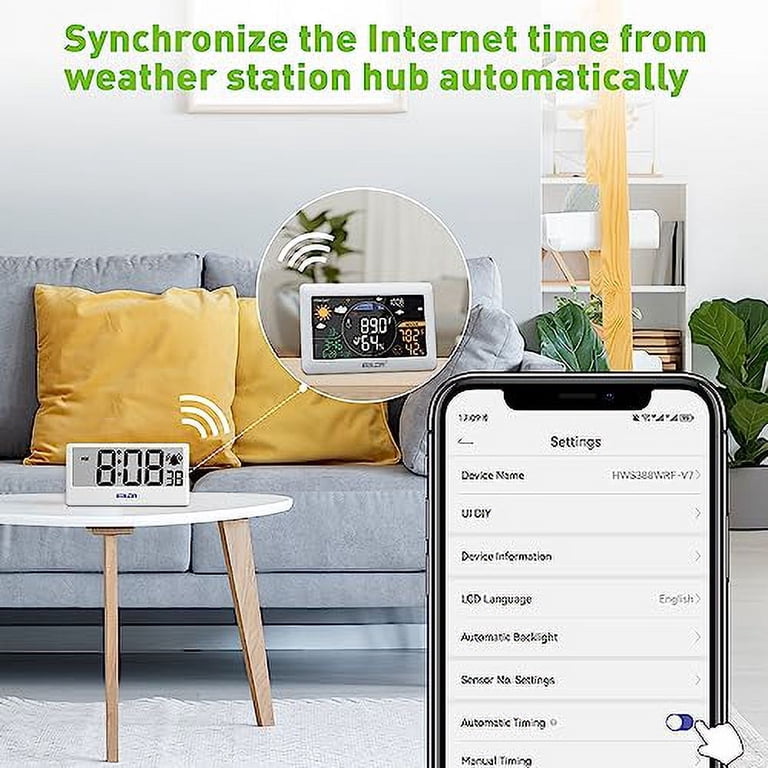
Some smart devices do not connect to the internet. They may get time from other sources like your phone or a smart hub.
For example, a smart watch might get time from your phone. The phone syncs with time servers, then shares the time.
Credit: www.walmart.com
Summary Table: How Smart Devices Sync Time
| Step | What Happens |
|---|---|
| 1 | Device connects to the internet. |
| 2 | Device sends request to a time server. |
| 3 | Time server sends the correct time back. |
| 4 | Device sets its clock to match the time. |
| 5 | Device checks time regularly to stay accurate. |

Credit: www.amazon.com
Final Thoughts
Now you know how smart home devices keep the right time. They use internet time servers and the NTP system to stay accurate. This helps your smart home run smoothly and on schedule.
Next time you see your smart device showing the right time, remember the invisible work behind it. It is all thanks to automatic time syncing.
Frequently Asked Questions
How Do Smart Home Devices Sync Time Automatically?
Smart home devices sync time by connecting to internet time servers. These servers provide accurate, real-time updates to keep devices on track.
Why Is Automatic Time Syncing Important For Smart Devices?
Automatic syncing ensures devices show the correct time without manual updates. This helps in scheduling tasks and maintaining device accuracy.
What Technology Helps Smart Devices Update Time?
Network Time Protocol (NTP) is the key technology. It allows devices to get precise time information from global servers.
Can Smart Home Devices Sync Time Without Internet?
Most smart devices need internet to sync time accurately. Some may use local network time if available but less precise.