
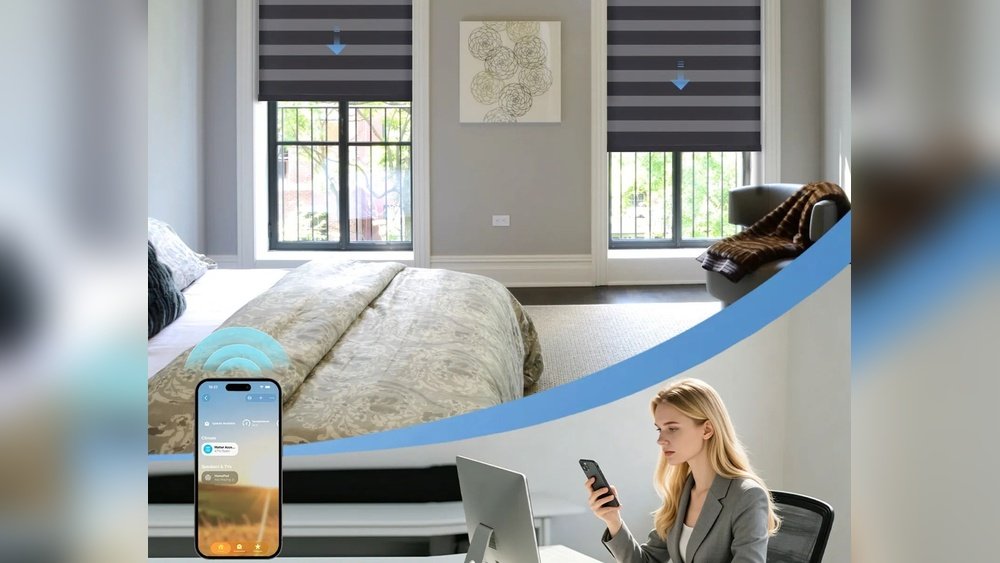
Smart homes are becoming more popular every day. Many people want to use smart devices to make life easier. But there are two main ways these devices work. One way is called local control. The other way is cloud based. It is important to know the difference. This helps you choose the right smart home system for your needs.
What Is Local Control?
Local control means your smart devices work inside your home. They do not need the internet to talk to each other. Instead, they connect using your home Wi-Fi or a special hub. The hub is like a small computer inside your house. It controls all your smart devices.
For example, if you want to turn on a smart light with a switch or app, the command goes through your home network or hub. It does not go outside your home. This means your devices work even if the internet is down.
Advantages Of Local Control
- Works without internet: Your smart devices still work if the internet stops.
- Faster response: Commands happen quickly because they do not travel far.
- More privacy: Your data stays inside your home, not sent to the cloud.
- Less risk of outside hacking: Because devices do not connect to the internet all the time.
Disadvantages Of Local Control
- Harder to set up: Sometimes you need special hubs or devices.
- Limited remote access: You may not control devices when away from home.
- Less integration: Some devices or services may not work together easily.
What Is Cloud Based Smart Home?
Cloud based smart homes use the internet for their smart devices. The devices send and receive data to servers far away. These servers are called the “cloud.” The cloud stores information and controls devices.
When you use a phone app to turn on a light, your command goes to the cloud first. Then, the cloud sends the command to the device. This allows you to control your devices from anywhere with internet.
Advantages Of Cloud Based Smart Homes
- Easy to use: Most systems are simple to set up with apps.
- Remote control: You can control devices from anywhere in the world.
- Works with many devices: Different brands and products often work well together.
- Automatic updates: Devices get new features and fixes through the cloud.
Disadvantages Of Cloud Based Smart Homes
- Needs internet: Devices stop working well if the internet is slow or off.
- Slower response: Commands take longer because they travel to the cloud and back.
- Privacy concerns: Your data goes to servers outside your home.
- Risk of hacking: Devices connected to the internet can be targets for hackers.
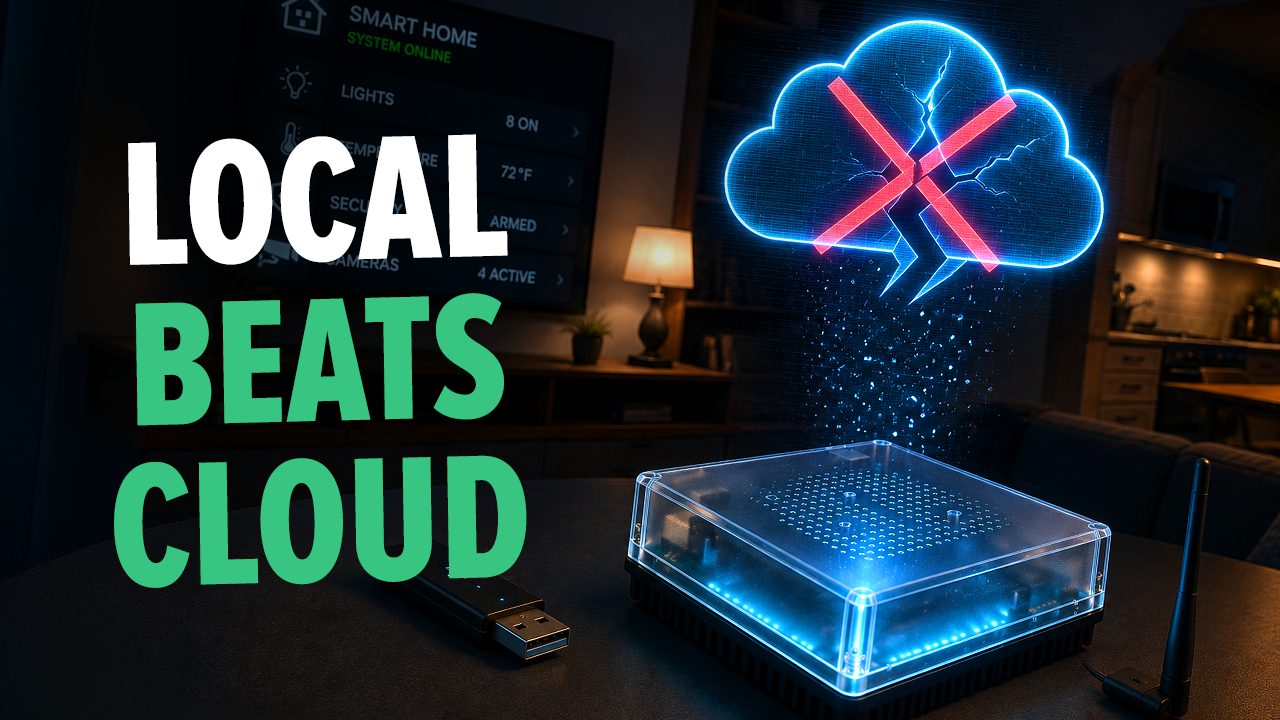
Comparing Local Control and Cloud Based Smart Homes
It helps to see the differences side by side. Here is a simple table:
| Feature | Local Control | Cloud Based |
|---|---|---|
| Internet Needed | No | Yes |
| Speed of Response | Fast | Slower |
| Privacy | High | Lower |
| Remote Access | Limited | Full |
| Ease of Setup | Harder | Easier |
| Device Compatibility | Limited | Broad |
Credit: www.gadgetreview.com
What Should You Choose?
Your choice depends on what you want most from your smart home.
If you want privacy and your devices to work all the time, local control is good. It keeps your data safe and works without the internet.
If you want to control devices from anywhere easily, cloud based is better. It is simple to set up and works with many devices.
Think about your internet speed too. If your internet is slow or cuts off often, local control will be more reliable.
Also, consider how much you want to spend. Local control systems may cost more at first because of hubs. Cloud based systems often have lower start costs.

Credit: futurehousestore.co.uk
Combining Both Systems
Some smart home setups use both local and cloud control. This mix gives you the best of both worlds.
For example, your smart lights may use local control for fast response. Your security cameras may use cloud for remote viewing.
This way, you get privacy and reliability with easy remote access.
Security Tips for Smart Homes
Smart homes can be targets for hackers. Here are some tips to stay safe:
- Change default passwords on all devices.
- Use strong, unique passwords.
- Keep your devices updated with the latest software.
- Use secure Wi-Fi with a strong password.
- Limit who can access your smart home system.
Frequently Asked Questions
What Is Local Control In Smart Homes?
Local control means your smart devices work directly within your home network. No internet needed for basic functions. It offers faster response and better privacy.
How Does Cloud-based Smart Home Control Work?
Cloud-based control uses the internet to connect your devices to remote servers. This allows access from anywhere and adds advanced features like voice control.
Which Is More Secure: Local Or Cloud Smart Homes?
Local control is generally more secure since data stays in your home. Cloud systems can be vulnerable to hacking but offer regular security updates.
Can Smart Homes Work Without Internet Using Local Control?
Yes, local control lets many smart devices work without internet. Devices communicate through your home Wi-Fi or hubs directly.
Conclusion
Choosing between local control and cloud based smart homes is important.
Local control offers speed, privacy, and works without internet.
Cloud based offers easy setup, remote access, and many device options.
Think about what matters most to you. Your internet, budget, and privacy needs.
Sometimes, combining both systems can bring the best results.
With the right choice, your smart home can be helpful and safe.