
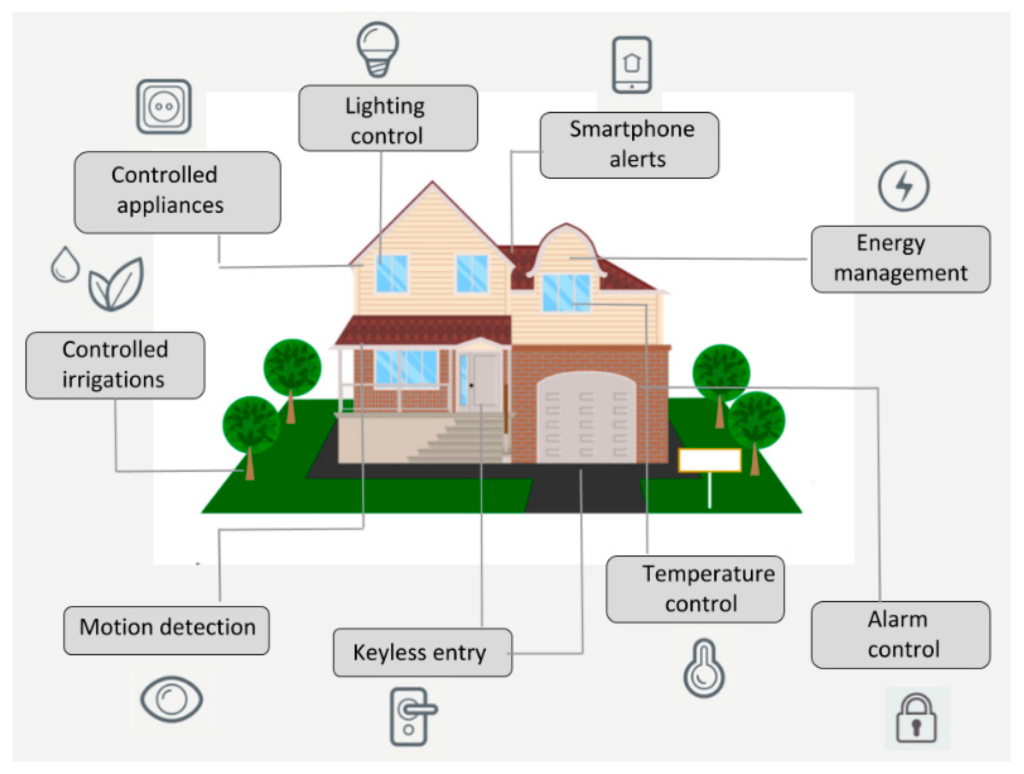
Smart home automation is becoming popular in many houses today. It helps people control things in their homes easily. Sensors play a big role in smart homes. But what are sensors? And what do they do in smart home automation? This article will explain these questions in simple words.
What is a Sensor?
A sensor is a small device that can detect changes around it. It can sense things like motion, light, temperature, or sound. Then, it sends this information to a smart device or system. The system can then act based on the sensor’s information.
For example, if a motion sensor detects movement in a room, it can tell the smart home system. The system may then turn on the lights or sound an alarm.
Why Are Sensors Important in Smart Homes?
Sensors help smart home systems know what is happening inside and outside the house. They make the home smarter by giving real-time information.
- Safety: Sensors can warn you about dangers like fire, gas leaks, or break-ins.
- Comfort: They help adjust the temperature or lighting automatically.
- Energy Saving: Sensors turn off devices when not needed, saving electricity.
- Convenience: They allow you to control your home remotely using your phone or voice commands.

Credit: www.slideteam.net
Common Types of Sensors Used in Smart Home Automation
There are many types of sensors used in smart homes. Each type has a special job. Here are some of the most common ones.
| Sensor Type | What It Detects | How It Helps in Smart Homes |
|---|---|---|
| Motion Sensor | Movement in a room or area | Turns on lights when you enter a room; triggers alarms if needed |
| Temperature Sensor | Heat or cold in the environment | Controls heating and cooling systems for comfort and savings |
| Light Sensor | Amount of natural or artificial light | Adjusts lighting levels automatically to save energy |
| Smoke and Gas Sensors | Smoke, fire, or harmful gases | Warns about fire or gas leaks for safety |
| Door/Window Sensor | Opening or closing of doors and windows | Alerts if doors or windows open unexpectedly |
| Humidity Sensor | Moisture in the air | Helps control humidity for comfort and health |
| Water Leak Sensor | Water where it should not be | Detects leaks early to prevent damage |
How Do Sensors Work Together in a Smart Home?
In a smart home, sensors work as a team. They send information to a central system or smart hub. This system then decides what to do.
For example, if a motion sensor detects someone entering the house and the door sensor shows the door opened, the system can turn on the hallway lights automatically. If a smoke sensor detects smoke, the system can send an alert to your phone and turn on alarms.
This teamwork makes your home safer, more comfortable, and easier to manage.
Examples of Sensor Uses in Smart Home Automation
1. Automatic Lighting
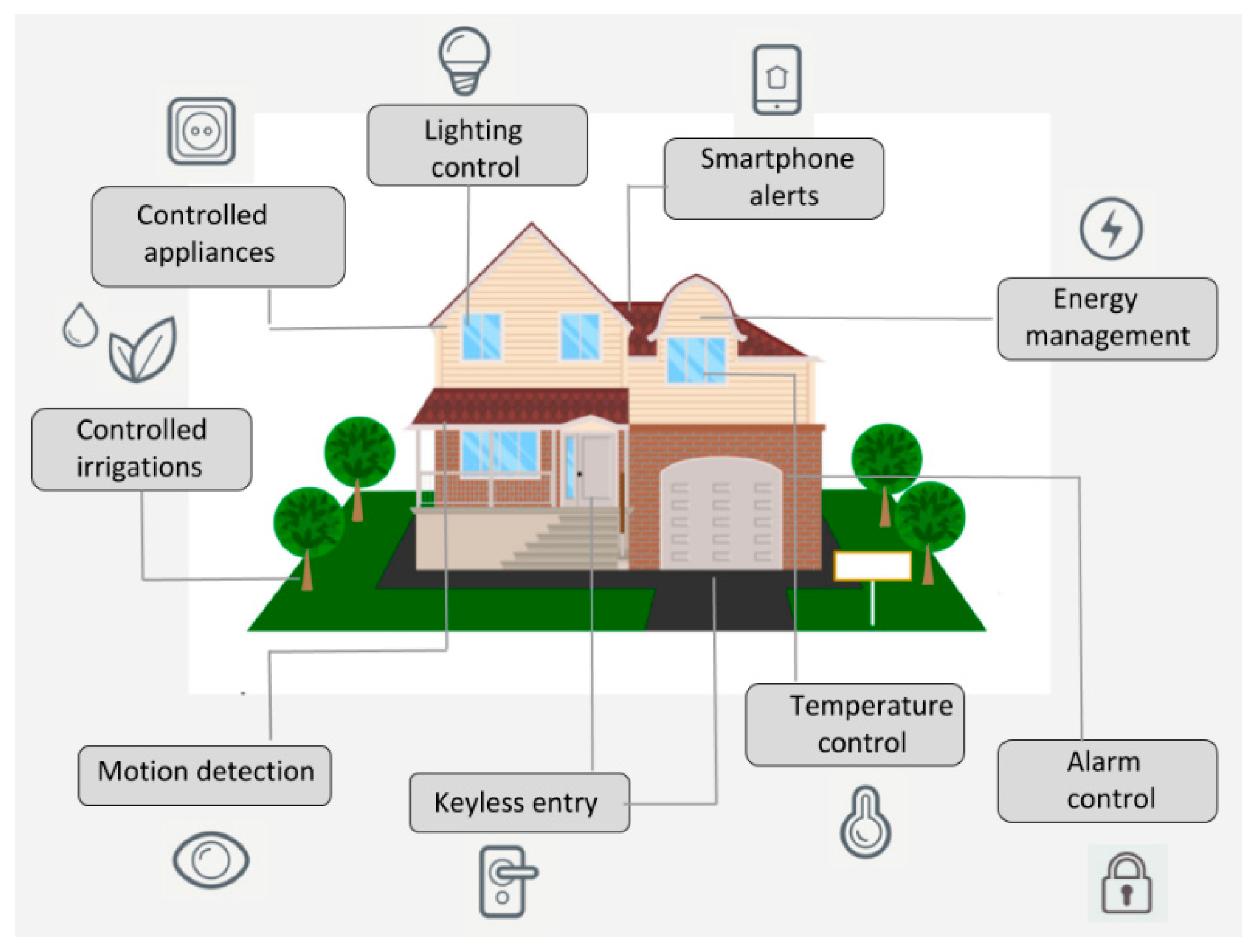
Imagine you enter a dark room. The motion sensor senses you and tells the smart system. The system then turns on the lights. When you leave, the lights turn off automatically. This saves energy and makes life easier.
2. Smart Thermostat
Temperature sensors measure the room temperature. The smart thermostat uses this information to heat or cool your home. It keeps your house comfortable without wasting energy.
3. Security Systems
Door and window sensors detect when they open or close. Motion sensors watch for movement inside the home. If something unusual happens, the system can alert you or the authorities.
4. Fire And Gas Safety
Smoke and gas sensors warn you of danger. They send alerts quickly so you can act fast. This helps protect your family and property.
5. Water Leak Detection
Water leak sensors detect leaks early. They can stop water damage by alerting you or shutting off water automatically.
Credit: www.mdpi.com
Benefits of Using Sensors in Smart Homes
- Save Money: Sensors help reduce energy use, lowering bills.
- Improve Safety: Early warnings help prevent accidents.
- Make Life Easier: Automation means less work for you.
- Increase Comfort: Sensors adjust home settings automatically.
- Remote Control: Control your home from anywhere using your phone.
Things to Consider When Choosing Sensors
When buying sensors, think about these points:
- Compatibility: Check if the sensor works with your smart home system.
- Range: Make sure the sensor covers the needed area.
- Power Source: Some sensors use batteries, others plug into power.
- Installation: Some sensors are easy to install; others need help.
- Price: Compare prices and features before buying.
How to Start Using Sensors in Your Smart Home
- Decide what you want to automate or protect.
- Choose the right sensors for your needs.
- Check if sensors work with your smart hub or app.
- Install sensors in the right places.
- Test to make sure everything works well.
- Adjust settings as needed for comfort and safety.
Frequently Asked Questions
What Types Of Sensors Are Used In Smart Home Automation?
Smart home systems use motion, temperature, humidity, light, and door/window sensors. These help control devices automatically and improve home safety.
How Do Motion Sensors Improve Home Security?
Motion sensors detect movement inside or outside your home. They trigger alarms or turn on lights to alert you of any intruders.
Can Temperature Sensors Help Save Energy At Home?
Yes, temperature sensors monitor indoor climate and adjust heating or cooling. This helps lower energy bills by avoiding waste.
What Role Do Humidity Sensors Play In Smart Homes?
Humidity sensors measure moisture levels in the air. They help control ventilation systems to prevent mold and keep air fresh.
Conclusion
Sensors are very useful in smart home automation. They help your home respond to changes automatically. Sensors improve safety, comfort, and energy savings. They also make your life easier by controlling things without your help.
Choosing the right sensors and installing them correctly is important. This way, your smart home can work better and keep your family safe.
Smart homes with sensors are a smart choice for modern living.