
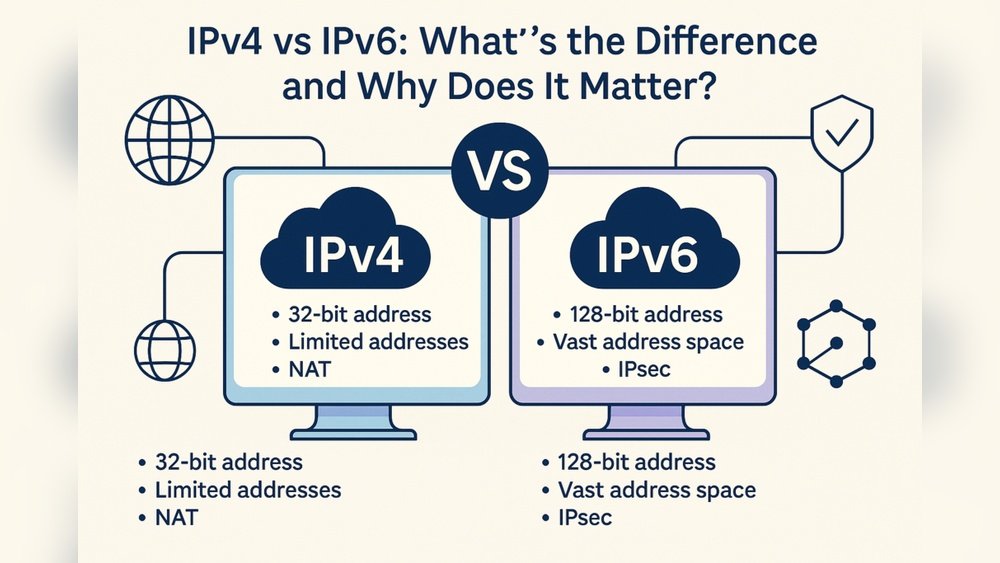
Smart homes are becoming more common every day. Many devices connect to the internet to make life easier. These devices need an address to talk to each other. This address is called an IP address. Two main types of IP addresses are IPv4 and IPv6. In this article, we will learn what they are and why they matter in smart homes.
What is an IP Address?
An IP address is like a home address for your devices. It helps devices find each other on the internet or in your home network. Without an IP address, devices cannot send or receive information.
Think of it this way: if your friend wants to send you a letter, they need your home address. The same goes for your smart devices. They need an IP address to send data.
What is IPv4?
IPv4 stands for Internet Protocol version 4. It is the older type of IP address. It has been used since the early days of the internet.
IPv4 addresses look like this:
It uses four numbers separated by dots. Each number can be from 0 to 255.
How Many Ipv4 Addresses Are There?
IPv4 can have about 4 billion addresses. This sounds like a lot, but it is not enough today. Many devices need IP addresses. This is a problem for smart homes with many gadgets.
Why Ipv4 Can Be A Problem
- Limited number of addresses
- Sometimes devices share addresses using tricks
- Can cause slow connections or issues
What is IPv6?
IPv6 is the newer version of the Internet Protocol. It was made to fix IPv4’s limits.
IPv6 addresses look very different. They use numbers and letters, separated by colons. For example:
These addresses are much longer and more complex.
How Many Ipv6 Addresses Are There?
IPv6 can have about 340 undecillion addresses. That is 340 followed by 36 zeros! This means almost unlimited addresses for every device.
Why Ipv6 Is Good For Smart Homes
- Almost unlimited addresses
- Each device can have its own unique address
- Better security options
- Faster and more reliable connections
How Do IPv4 and IPv6 Work in Smart Homes?
Smart homes have many devices. These can include:
- Smart lights
- Security cameras
- Thermostats
- Smart speakers
- Smart TVs
- Door locks
Each device needs an IP address. Most homes still use IPv4. But more homes are starting to use IPv6.
Ipv4 In Smart Homes
IPv4 works well for a few devices. But smart homes can have many devices. This can cause issues with address limits.
Many home routers use a trick called NAT (Network Address Translation). It lets many devices share one IPv4 address. But this can cause problems with some devices.
Ipv6 In Smart Homes
IPv6 gives each device a unique address. This means no sharing is needed. Devices can communicate easily and safely.
IPv6 also supports better security. This is important for smart homes to protect your privacy.

Credit: serveravatar.com
Why Should You Care About IPv4 and IPv6?
Knowing about IPv4 and IPv6 helps you understand your smart home better. It also helps when buying devices or setting up your network.
If your home uses only IPv4, you might face limits soon. Devices might not work well together. Switching to IPv6 can fix these problems.
How to Check Your Home IP Address Type
You can check if your home uses IPv4 or IPv6. Here is how:
- Open your computer or phone settings.
- Find the network or Wi-Fi section.
- Look for the IP address listed.
- If it looks like numbers separated by dots, it’s IPv4.
- If it has numbers and letters separated by colons, it’s IPv6.
How to Prepare Your Smart Home for IPv6
Many internet providers support IPv6 now. Here are some steps to prepare your smart home:
- Check if your internet provider supports IPv6.
- Make sure your router supports IPv6.
- Update your router’s firmware if needed.
- Buy devices that support IPv6.
- Ask your provider for help if unsure.
Comparing IPv4 and IPv6
| Feature | IPv4 | IPv6 |
|---|---|---|
| Address Format | Four numbers, e.g., 192.168.1.1 | Eight groups of letters and numbers, e.g., 2001:0db8:: |
| Number of Addresses | About 4 billion | About 340 undecillion (very large) |
| Address Sharing | Uses NAT to share addresses | No need for address sharing |
| Security | Basic security options | Built-in security features |
| Speed & Reliability | Good, but can slow with many devices | Better speed and reliability |
| Support | Widely supported | Growing support |
Challenges with IPv6 Adoption
IPv6 is better, but there are some challenges:
- Older devices may not support IPv6.
- Some internet providers still use IPv4 only.
- Setting up IPv6 can be confusing.
Still, IPv6 is the future. It will help smart homes grow safely and easily.
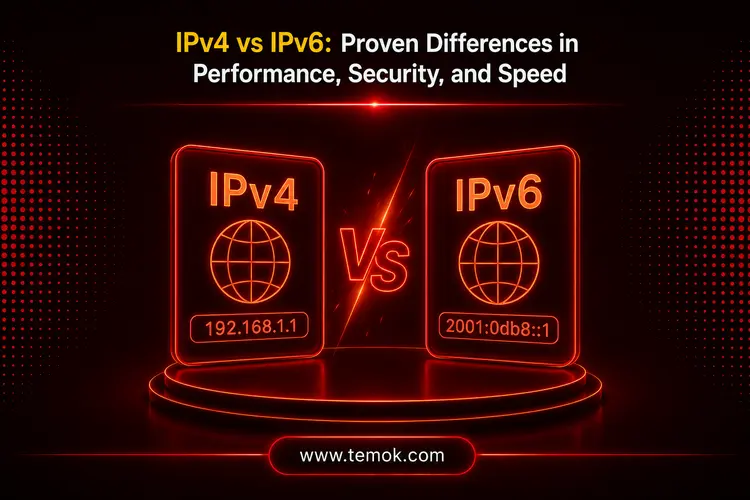
Credit: www.temok.com
Frequently Asked Questions
What Is The Difference Between Ipv4 And Ipv6?
IPv4 uses 32-bit addresses, allowing about 4 billion unique IPs. IPv6 uses 128-bit addresses, providing a vast number of IPs for future devices.
Why Is Ipv6 Important For Smart Homes?
Smart homes need many connected devices. IPv6 offers enough IP addresses to support all these devices easily.
Can Smart Home Devices Use Both Ipv4 And Ipv6?
Yes, many smart devices support both protocols. This ensures compatibility with different home networks.
How Does Ipv6 Improve Smart Home Security?
IPv6 includes built-in security features like IPsec. This helps protect smart home data and device communication.
Conclusion
IPv4 and IPv6 are types of IP addresses. They help devices talk to each other. Smart homes need many IP addresses for devices.
IPv4 is older and has limits. IPv6 is newer and offers many more addresses.
Using IPv6 in smart homes means better connections and more security. You should check your home network and prepare for IPv6.
Understanding IP addresses helps you build a smarter and safer home.