
Smart home devices are becoming common in many houses. These devices help to make life easier and more comfortable. But have you ever wondered how these devices talk to each other? How does your smart light bulb know when to turn on? How does the smart thermostat adjust the temperature? This article will explain how smart home devices communicate with each other in a simple way.

Credit: shop.bl.uk
What Are Smart Home Devices?
Smart home devices are gadgets that connect to the internet or each other. They can be controlled remotely using a phone or voice commands. Examples include smart lights, thermostats, security cameras, and speakers. These devices work together to make your home smarter.
To work well, smart devices must share information. They use different ways to send messages. Understanding this helps us see how smart homes function.
Ways Smart Devices Communicate
Smart home devices use many communication methods. The most common are Wi-Fi, Bluetooth, Zigbee, Z-Wave, and Thread. Each has its own way to connect devices.
| Communication Method | How It Works | When It Is Used |
|---|---|---|
| Wi-Fi | Uses home internet to connect devices | For devices needing fast internet like cameras |
| Bluetooth | Short-range wireless connection between devices | For nearby devices like smart speakers |
| Zigbee | Low power, mesh network for many devices | Used in lights, sensors, and switches |
| Z-Wave | Mesh network similar to Zigbee with low power | For security systems and home automation |
| Thread | New mesh network, low power and secure | For smart home devices needing fast response |
Wi-fi
Wi-Fi is the same internet connection you use for your phone or computer. Many smart devices connect to Wi-Fi to send and receive data. For example, a smart camera uses Wi-Fi to send video to your phone. Wi-Fi covers a large area, but it uses more power. So, devices that need to work all the time may not use Wi-Fi.
Bluetooth
Bluetooth connects devices close to each other. It uses less power than Wi-Fi. Many smart speakers and headphones use Bluetooth. It is good for devices that do not need to send data far. But Bluetooth has a short range, usually about 30 feet.
Zigbee
Zigbee is a special way to connect many smart devices. It creates a mesh network. This means devices connect to each other like a web. If one device is far, the message can pass through others. Zigbee uses little power. It is common for smart lights and sensors.
Z-wave
Z-Wave is like Zigbee but works on a different frequency. It also makes a mesh network. Many security devices use Z-Wave. It is very reliable and uses low power. Devices can communicate over longer distances than Bluetooth.
Thread
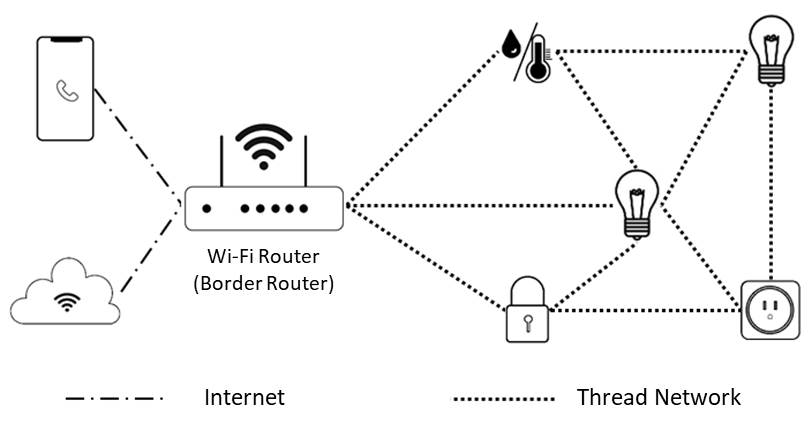
Thread is a newer technology. It also makes a mesh network. Thread is designed to be fast and secure. Many new smart home devices are starting to use Thread. It helps devices talk quickly and use less battery.
Smart Home Hubs and Controllers
Many smart home devices need a hub or controller. A hub is like a central brain. It connects different devices and helps them work together. Sometimes the hub uses Wi-Fi, Zigbee, or Z-Wave to link devices.
For example, a smart home hub can connect your smart lights, locks, and sensors. When you use your phone, the hub sends commands to devices. The hub helps devices speak different “languages” and understand each other.
How Do Devices Send Messages?
Devices send simple messages to share information. These messages tell other devices what to do or what is happening. For example:
- A motion sensor sends a message when it detects movement.
- A smart light receives a message to turn on or off.
- A thermostat sends a message to adjust the temperature.
These messages are often very short. They contain commands or data. Devices listen for messages and respond quickly.
Credit: www.allion.com
Security in Communication
When devices talk, security is important. No one wants a stranger to control their smart home. That is why communication is often encrypted. Encryption means messages are scrambled so only the right devices can read them.
Smart devices use passwords and keys to keep messages safe. Secure communication helps protect your privacy.
Example: How Smart Lights Work Together
Let’s look at an example. You have smart lights in your living room. They use Zigbee to connect. When you press a button on your phone, the message goes to the hub. The hub sends the command to all lights. The lights turn on or off together.
If one light is far, the message can pass through closer lights. This mesh network helps cover the whole room. It makes sure all lights work without delays.
Why Do Devices Use Different Communication Methods?
Different devices have different needs. Some need fast internet, others need low power. Some devices are close, others are far. Using different methods helps smart homes work well and save energy.
Wi-Fi is good for cameras that send video. Zigbee or Z-Wave are better for sensors that need long battery life. Bluetooth is good for devices close to each other.
How to Make Your Smart Home Work Better
- Use a good hub to connect all devices.
- Check if devices use the same communication method.
- Place devices where signals are strong.
- Update devices regularly for security.
- Choose devices that fit your home size.
Good placement and connection improve communication. This makes your smart home faster and more reliable.
Frequently Asked Questions
How Do Smart Home Devices Connect To Each Other?
Smart home devices connect using wireless signals like Wi-Fi, Bluetooth, or Zigbee. These signals let devices share data and work together smoothly.
What Wireless Networks Do Smart Homes Use?
Smart homes often use Wi-Fi, Bluetooth, Zigbee, or Z-Wave networks. These networks help devices talk to each other quickly and securely.
Can Smart Home Devices Work Without The Internet?
Yes, many smart home devices can communicate locally without internet. They use local networks like Zigbee or Bluetooth for direct control.
How Does Zigbee Help Smart Devices Communicate?
Zigbee is a low-power wireless protocol for smart devices. It creates a mesh network, making device connection stronger and more reliable.
Conclusion
Smart home devices communicate using many ways. Wi-Fi, Bluetooth, Zigbee, Z-Wave, and Thread are common methods. Devices send short messages to work together. A hub often helps devices talk to each other.
Each method has its strengths. Together, they create a smart and easy home. Understanding how devices communicate helps you choose and use smart devices better.
Your smart home works like a team. Each device shares information to help you live comfortably.